
Watermelon Mochi – Soft, Sweet & The Perfect Summer Dessert
This post may contain affiliate links (disclosure).
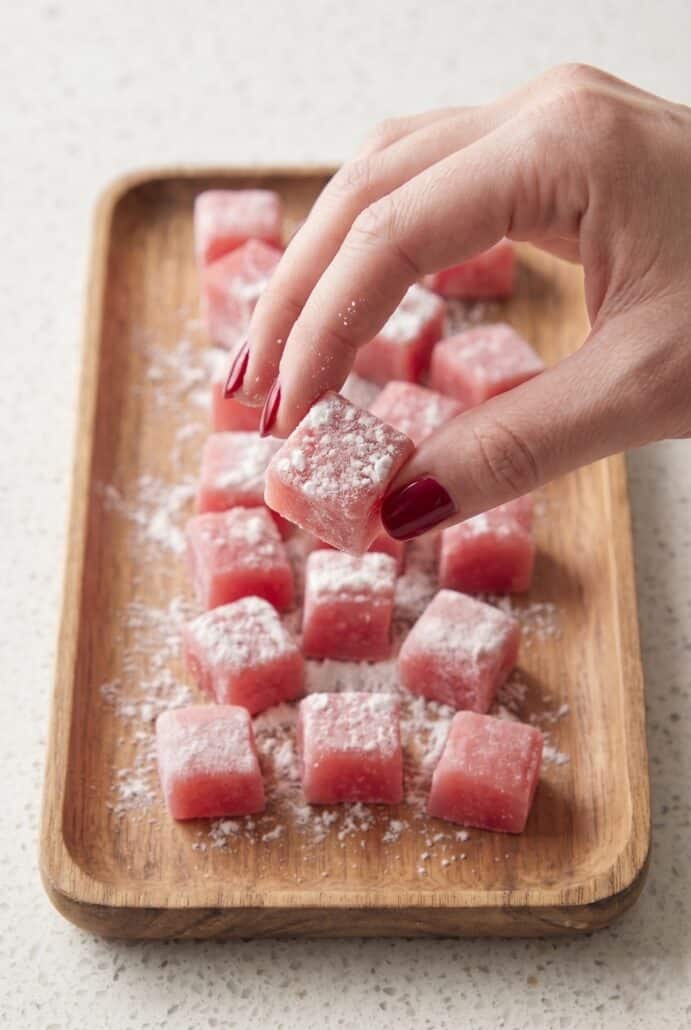
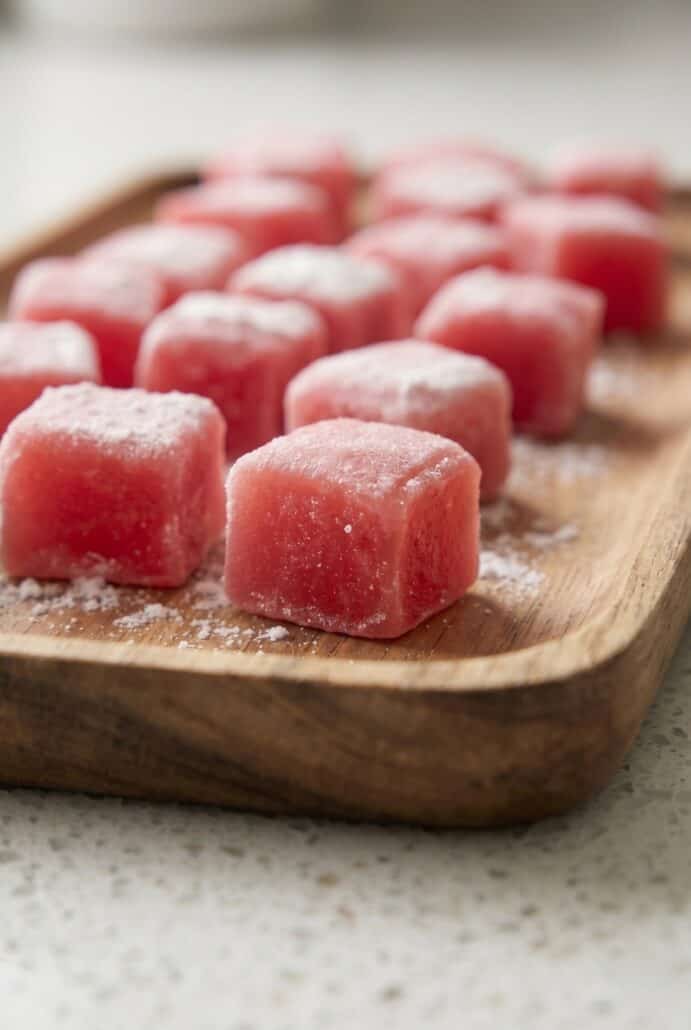
This Watermelon Mochi is a cool and refreshing dessert that is perfect for summer! It has a soft, chewy texture and a light watermelon flavor from fresh watermelon juice. Made in the microwave with simple ingredients, this homemade mochi is a fun Japanese-inspired treat to serve chilled on a hot day.
Want to save this recipe?
Just enter your email and I’ll send it right to you, plus great new recipes weekly!
Why You’ll Love Watermelon Mochi
- This Watermelon Mochi is such a refreshing treat for warm days. It has a light fruity flavor from real watermelon juice. The chewy mochi texture makes every bite fun and satisfying. Serve it chilled for a cool dessert that feels extra special.
- You only need a few simple ingredients to make this homemade mochi. Glutinous rice flour, cornstarch, sugar, watermelon juice, and butter come together beautifully. The recipe uses the microwave, so it is easier than traditional mochi methods. No complicated cooking steps are needed.
- This recipe is a great way to use fresh watermelon in a new way. Instead of just slicing watermelon, you turn it into a soft and chewy dessert. It is perfect when you want something different for summer. The natural watermelon flavor makes the mochi taste light and fresh.
- The texture of this mochi is soft, stretchy, and deliciously chewy. Chilling it helps the mochi firm up so it is easy to slice. A little cooked glutinous rice flour keeps the pieces from sticking together. Each bite is smooth, tender, and fun to eat.
- This Watermelon Mochi is a beautiful make-ahead dessert. You can prepare it in advance and keep it chilled until serving. It is great for summer parties, family desserts, or a fun afternoon snack. Everyone will love trying this unique watermelon treat.
Ingredients For Watermelon Mochi
- Watermelon – Fresh watermelon is blended into juice to give this mochi its refreshing fruity flavor.
- Glutinous rice flour – This is the main ingredient that gives the mochi its soft, stretchy, and chewy texture.
- Cornstarch – Helps make the mochi dough thicker and gives it a smooth texture.
- Sugar – Adds sweetness to the mochi and balances the light watermelon flavor.
- Watermelon juice – Fresh watermelon juice is mixed into the dough for natural flavor and color.
- Butter – Adds richness and helps make the mochi smooth and elastic.
- Cooked glutinous rice flour – Used for dusting the chilled mochi so it does not stick when slicing and serving.
For the exact measurements of the ingredients, see the printable recipe card at the bottom of this article.
How To Make Watermelon Mochi
- Slice the watermelon and remove the fruit from the rind. Blend the watermelon flesh until smooth, then measure out the juice needed for the mochi.
- In a mixing bowl, stir together the watermelon juice, glutinous rice flour, cornstarch, and sugar until everything is combined.
- Pour the mixture through a sifter or fine mesh strainer so the mochi dough will be smooth.
- Cover the bowl with plastic wrap and poke a few small holes in the top. Microwave until the mochi mixture is cooked through.
- Add the butter while the mochi is still hot. Let it cool, then knead and stretch it until the butter is fully worked in and the dough becomes smooth.
- Line a container with parchment paper and press the mochi dough into an even layer.
- Chill the mochi in the refrigerator until it is firm enough to slice.
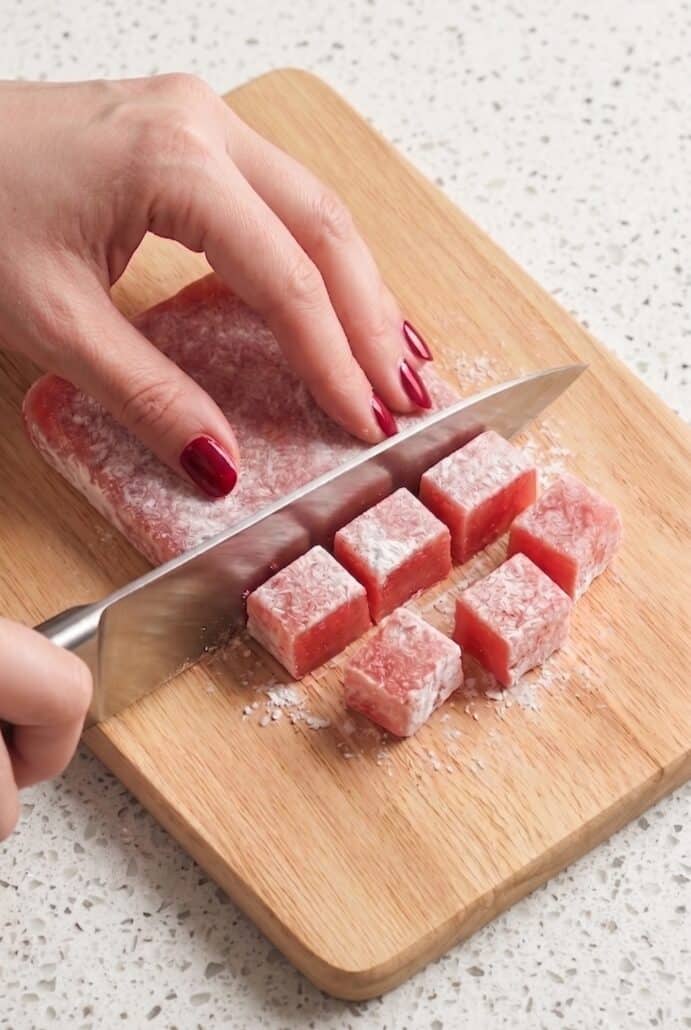
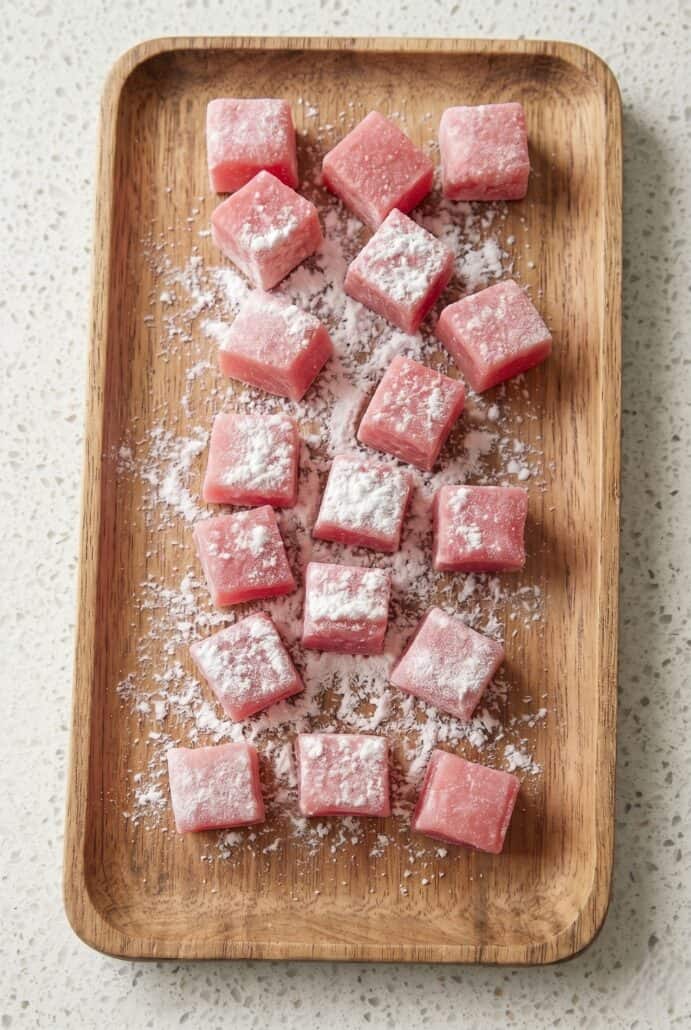
- Dust with cooked glutinous rice flour, then cut into strips and slice into bite-sized pieces. Serve chilled and enjoy!
Serving Suggestions
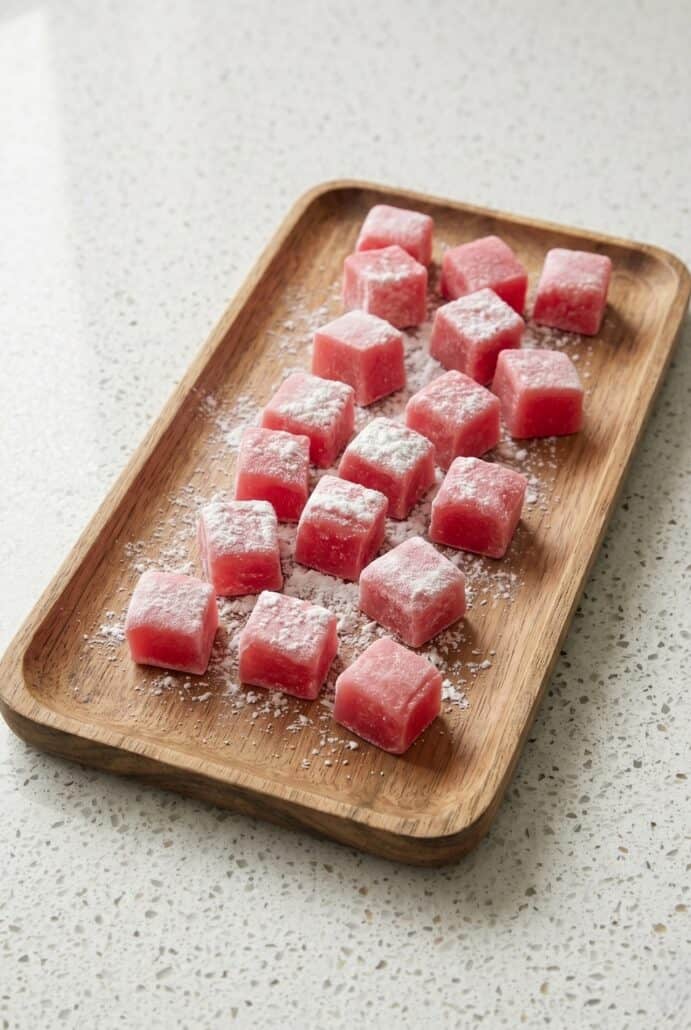
- Serve watermelon mochi chilled straight from the refrigerator with a glass of homemade lemonade or hibiscus iced tea. It makes a refreshing dessert for hot summer days.
- Arrange the bite-sized pieces on a dessert plate with fresh watermelon slices. This would be great with a simple fruit salad for a light and colorful dessert spread.
- Pair watermelon mochi with homemade watermelon popsicles for a fun watermelon-themed treat. This is perfect for summer parties, BBQs, or pool days.
- Serve it after a light meal like lettuce, tomatoes, and cucumber salad or chicken breast skewers. The cool chewy mochi makes a nice sweet finish.
- Add it to a dessert tray with other small sweets like berry parfaits, strawberry mochi, or mango mochi. This gives your guests a variety of fun bite-sized desserts.
- Sprinkle a little extra cooked glutinous rice flour on top before serving if the pieces feel sticky. Serve with fresh blueberries or sliced mango for a pretty fruity plate.
Tips For Success
- For the best Watermelon Mochi, start with a ripe and sweet watermelon. Since the watermelon juice gives this dessert its flavor, the taste of the watermelon matters. A fresh, juicy watermelon will make the mochi taste light, refreshing, and naturally fruity. If the watermelon is not very sweet, the flavor of the finished mochi will be more mild.
- Blend the watermelon flesh until it is completely smooth. This helps the juice mix evenly into the mochi dough. After blending, measure out exactly 300 grams of watermelon juice so the texture comes out right. Too much liquid can make the mochi too soft, while too little liquid can make it too thick.
- Make sure to mix the glutinous rice flour, cornstarch, sugar, and watermelon juice until fully combined. The mixture should look smooth before it goes into the microwave. Sifting the mixture is an important step because it removes lumps and gives the finished mochi a better texture. Smooth batter makes soft, smooth mochi.
- When covering the bowl with plastic wrap, remember to poke a few holes in the top. This lets steam escape while the mochi cooks in the microwave. Be careful when removing the bowl after microwaving because it will be very hot. Let the mochi cool before kneading so it is easier and safer to handle.
- Add the butter while the mochi mixture is still hot so it can melt into the dough. Once the mochi is cool enough to touch, knead and stretch it until the butter is completely worked in. This step helps the dough become smooth, stretchy, and elastic. Take your time with this part for the best chewy texture.
- Chilling is also very important. The mochi needs at least 3 hours in the refrigerator so it can firm up enough to slice. Line the container with parchment paper so the mochi is easier to lift out after chilling. Before cutting, dust the mochi with cooked glutinous rice flour to keep it from sticking to your knife and hands.
- Serve the mochi chilled for the best flavor and texture. This dessert is meant to be cool, chewy, and refreshing. Keep the pieces bite-sized so they are easy to serve and eat. A little extra dusting flour can help if the mochi feels sticky.
Variations And Substitutions
- You can make this Watermelon Mochi a little different depending on what you have in your kitchen and how you want it to taste. The watermelon juice gives this recipe its fresh fruity flavor, but you can adjust the taste by using a sweeter watermelon. If your watermelon is very mild, the mochi will have a softer watermelon flavor. For a stronger taste, use juice from a ripe, flavorful watermelon.
- For the sugar, white sugar works well because it keeps the flavor simple and lets the watermelon shine. You can use a little more or a little less sugar depending on how sweet your watermelon is. If your watermelon is already very sweet, you may want to keep the sugar as written. If it is not very sweet, a little extra sugar can help balance the flavor.
- The butter adds richness and helps make the mochi smooth and elastic. You can use salted or unsalted butter. Salted butter will add a tiny hint of salt, which can make the sweetness taste even better. Unsalted butter keeps the flavor more neutral and simple.
- For a dairy-free version, you can try using dairy-free butter instead of regular butter. This keeps the texture rich while making the recipe easier to enjoy for those avoiding dairy. Make sure the dairy-free butter melts well into the hot mochi mixture. Knead it in the same way until the dough is smooth and stretchy.
- The cooked glutinous rice flour is used for dusting so the mochi does not stick. You can add a little extra if the mochi feels sticky while cutting. Dust your hands, knife, and work surface as needed. This makes the mochi easier to handle and keeps the pieces neat.
- You can also change the shape of the mochi. Cut it into small squares, rectangles, or strips depending on how you want to serve it. Bite-sized pieces are best for easy serving. For a party tray, small even pieces look especially pretty.
- This recipe is made in the microwave, which keeps it simple and quick. Be sure to use a microwave-safe bowl and cook the mixture as directed. Since microwave strength can vary, the texture should be thick, sticky, and cooked through after heating. Once chilled, the mochi should be firm enough to slice while still staying soft and chewy.
Storage and Reheating
- Store Watermelon Mochi in an airtight container in the refrigerator. Keep the pieces lightly dusted with cooked glutinous rice flour so they do not stick together. For the best taste and texture, enjoy the mochi chilled.
- Watermelon Mochi does not need to be reheated. It is meant to be served cold, straight from the refrigerator. Reheating can make the mochi too soft and sticky, so keep it chilled until you are ready to eat.
- If the pieces stick together after storing, dust them with a little more cooked glutinous rice flour before serving. This will help separate the pieces and make them easier to pick up and enjoy.
Frequently Asked Questions
What does Watermelon Mochi taste like?
Watermelon Mochi has a light, fresh, and fruity flavor with a soft chewy texture. The watermelon juice gives the mochi a refreshing taste that is perfect for summer. It is not a heavy dessert, and it is not overly rich. The flavor is gentle and sweet, with the unique chewy bite that makes mochi so fun to eat. Since this recipe uses real watermelon juice, the final flavor depends on how sweet and ripe your watermelon is. A very sweet watermelon will give the mochi a stronger fruity taste, while a milder watermelon will make the flavor more subtle.
Want to save this recipe?
Just enter your email and I’ll send it right to you, plus great new recipes weekly!
Do I need to use glutinous rice flour for this recipe?
Yes, glutinous rice flour is the key ingredient for making mochi. It gives the mochi its soft, sticky, stretchy, and chewy texture. Regular rice flour will not create the same texture, so it should not be used as a direct replacement in this recipe. Even though the word “glutinous” is in the name, glutinous rice flour is different from regular flour and is used specifically for chewy rice-based recipes like mochi. For the best results, use the amount listed in the recipe card and measure it carefully.
Can I use store-bought watermelon juice?
Yes, you can use store-bought watermelon juice if you do not want to blend fresh watermelon. Fresh watermelon juice gives the dessert a very natural flavor, but bottled watermelon juice can work too. Make sure the juice tastes good before using it because it will flavor the whole batch of mochi. If the juice is very sweet, the mochi will taste sweeter. If it is very mild, the mochi flavor will be lighter. Whether you use fresh or store-bought juice, measure out 300 grams for the recipe.
Why do I need to sift the mochi mixture?
Sifting the mochi mixture helps remove lumps before cooking. This makes the finished mochi smoother and more pleasant to eat. Since glutinous rice flour and cornstarch can sometimes clump together when mixed with liquid, sifting is a helpful step. It only takes a little extra time, but it makes a big difference in texture. Smooth batter turns into smooth mochi, which is easier to knead, chill, slice, and serve.
Why is butter added after microwaving?
Butter is added while the mochi mixture is hot so it can melt into the dough. This helps make the mochi smoother, richer, and more elastic. After the mochi cools enough to handle, kneading and stretching helps fully mix the butter into the dough. This step improves the texture and gives the mochi a soft, stretchy finish. Make sure the butter is worked in completely before chilling the mochi.
How long does Watermelon Mochi need to chill?
Watermelon Mochi needs to chill for at least 3 hours. This gives the mochi enough time to firm up so it can be sliced into neat pieces. If you try to cut it too soon, it may be too soft and sticky. Chilling also makes this dessert extra refreshing. Once the mochi is firm, dust it with cooked glutinous rice flour and cut it into strips and bite-sized pieces.
Can I serve Watermelon Mochi warm?
Watermelon Mochi is best served chilled. This recipe is meant to be a cool and refreshing dessert, especially for warm weather. Warm mochi will be softer and stickier, which can make it harder to slice and serve. Chilling helps the mochi hold its shape while still staying chewy. For the best taste and texture, keep it in the refrigerator until you are ready to eat.
How do I keep the mochi from sticking?
Use cooked glutinous rice flour for dusting the mochi after it chills. Dust the top of the mochi, your knife, and your hands if needed. This helps prevent the mochi from sticking while you cut it into pieces. If the pieces stick together after storing, add a little more dusting flour before serving. Mochi is naturally sticky, so a small amount of dusting flour makes it much easier to handle.
Can I make Watermelon Mochi ahead of time?
Yes, Watermelon Mochi is a great make-ahead dessert because it needs time to chill before serving. You can prepare it earlier in the day and keep it in the refrigerator until ready to slice and serve. Store it in an airtight container so it stays fresh. Keep the pieces lightly dusted with cooked glutinous rice flour to prevent sticking. Serve it cold for the best refreshing flavor.
Does Watermelon Mochi need to be reheated?
No, this mochi does not need to be reheated. It is best enjoyed cold from the refrigerator. Reheating can make it too soft and sticky, and it may lose the firm texture that makes it easy to eat. Since this is a chilled watermelon dessert, simply store it in the refrigerator and serve it cold whenever you are ready.
Other Easy Watermelon Recipes

Watermelon Mochi
Want to save this recipe?
Just enter your email and I’ll send it right to you, plus great new recipes weekly!
Ingredients
- 1 watermelon
- 230 grams glutinous rice flour
- 65 grams cornstarch
- 40 grams sugar
- 300 grams watermelon juice
- 30 grams butter
- 2 tbsp cooked glutinous rice flour for dusting
Instructions
- Cut the watermelon in half, slice it into strips, remove the flesh from the rind, and blend the watermelon flesh until smooth.
- Measure out 300 grams of watermelon juice and add it to a large mixing bowl with the glutinous rice flour, cornstarch, and sugar.
- Mix until smooth and fully combined, then sift the mixture once to remove any lumps.
- Cover the bowl with plastic wrap, poke a few holes in the top with a toothpick, and microwave on high for 5 minutes.
- Carefully remove the hot mochi mixture from the microwave, add the butter, and let it cool to room temperature.
- Knead and stretch the mochi dough for about 5 minutes, until the butter is fully mixed in and the dough is smooth and elastic.
- Line a container with parchment paper, transfer the mochi dough into it, flatten the top, and refrigerate for at least 3 hours or until firm.
- Dust the chilled mochi with 2 tablespoons cooked glutinous rice flour, then cut it into strips and slice into bite-sized pieces. Serve chilled.
Notes
- Make sure to let the mochi cool before kneading so it is easier and safer to handle.
- Dust the mochi well with cooked glutinous rice flour before slicing to keep the pieces from sticking together.





So delicious!
Turned out great, thank you!