Tender & Juicy Prime Rib Roast Recipe
This post may contain affiliate links (disclosure).
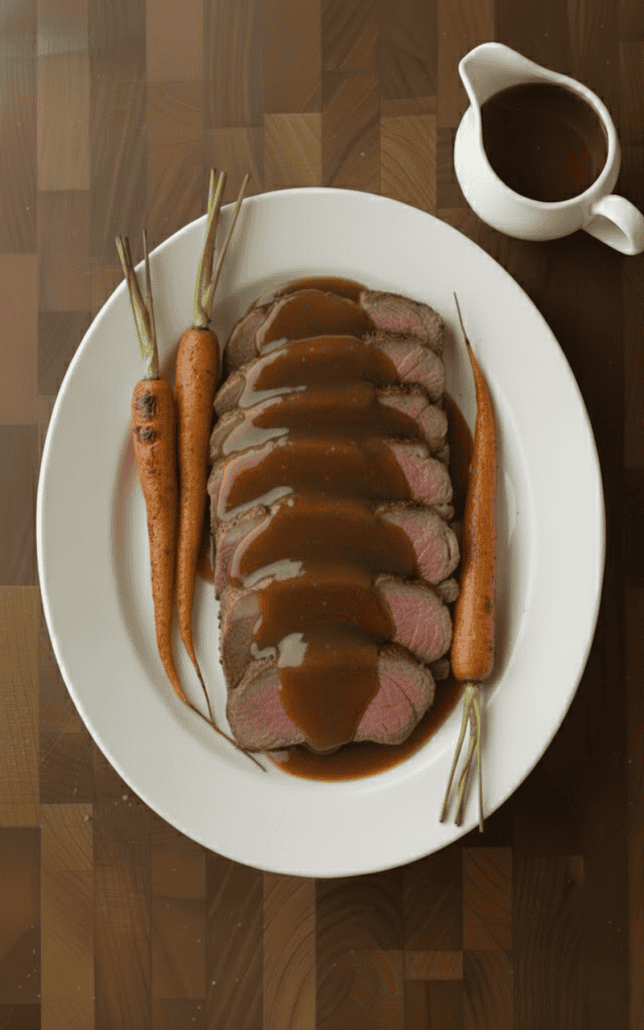
Looking for the ultimate holiday showstopper? This restaurant-style prime rib roast is the perfect centerpiece for any special occasion! With its juicy, tender meat and flavorful seasoned crust, this roast is surprisingly easy to make at home. Whether you’re hosting a holiday dinner, celebrating a milestone, or just treating your family to something special, this prime rib roast will impress every time. No need to go to a steakhouse—this recipe brings that five-star flavor straight to your own oven!
Want to save this recipe?
Why You’ll Love Perfect Prime Rib Roast
-
This prime rib roast delivers tender, juicy meat with a perfectly seasoned crust that tastes just like a high-end steakhouse. The combination of spices and slow roasting creates mouthwatering flavor in every bite. Even beginners can pull this off with amazing results. It’s a foolproof way to impress your guests!
-
It’s perfect for special occasions and holidays when you want something extra memorable. Whether it’s Christmas, Thanksgiving, or a big family dinner, this roast makes the table feel festive and elegant. You’ll get rave reviews without spending hours stressing in the kitchen. Just prep it, pop it in the oven, and let it work its magic.
-
No complicated ingredients or tricky techniques—just a simple, delicious roast anyone can make. All you need is basic pantry spices and a good piece of meat. The step-by-step instructions make it super easy to follow. You’ll be shocked at how effortless it is!
-
The seasoned flour crust locks in all the juices, giving you that signature golden-brown outside and tender pink inside. It’s the kind of texture you dream about in a prime rib. This method creates a consistent, evenly cooked roast every single time. You’ll never want to cook prime rib any other way again!
-
Leftovers (if you have any!) are amazing and can be used in sandwiches, hash, or even just reheated as-is. This roast stretches to feed a crowd and keeps its flavor for days. It’s a smart and delicious choice for feeding a holiday group. Everyone will be asking for seconds—and the recipe!

Ingredients For Perfect Prime Rib Roast
-
Prime rib roast (14 lb, bones removed and tied back on) – This is the star of the recipe, known for its rich marbling and tender texture. Tying the bones back on helps flavor the meat while making it easier to carve later.
-
All-purpose flour – Helps create a flavorful crust on the roast while sealing in the juices.
-
Salt – Essential for enhancing the natural flavor of the beef.
-
Black pepper (freshly ground) – Adds a bit of heat and aroma to the seasoning mix.
-
Paprika – Gives the roast a warm color and subtle smoky depth.
-
Onion powder – Adds a hint of savory flavor without needing fresh onions.
-
Garlic powder – Provides a mellow garlic taste that blends well with the other spices.
-
Celery seed – A small amount adds a slight herbaceous note that enhances the overall seasoning blend.
For the exact measurements of the ingredients, see the printable recipe card at the bottom of this article.
Kitchen Tools You Need To Make Perfect Prime Rib Roast
-
Roasting pan – Holds the roast securely while it cooks and catches all the flavorful drippings.
-
Aluminum foil – Makes cleanup easy and is used to tent the roast during resting.
-
Measuring spoons – Ensures precise amounts of spices for consistent seasoning.
-
Measuring cup – Used to measure the flour for the crust coating.
-
Mixing bowl – Combines all the seasoning ingredients for easy application.
-
Paper towels – Used to blot the roast dry before seasoning for a better crust.
-
Instant-read meat thermometer – Crucial for checking doneness and avoiding overcooking.
How To Make Perfect Prime Rib Roast
-
Let the roast sit at room temperature for a few hours so it cooks evenly.
-
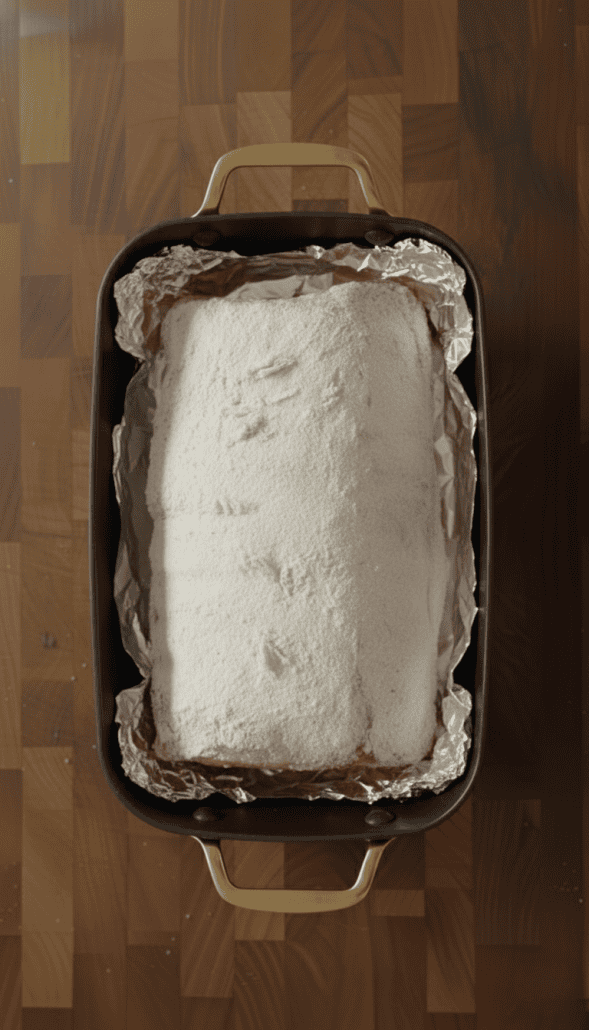
Preheat your oven and line your roasting pan with foil for easy cleanup.
-
Pat the roast dry with paper towels, then place it in the prepared pan.
-
Mix the flour and seasonings together in a bowl.
-
Rub the mixture all over the roast until it’s fully coated.
-
Place the roast in the oven and roast based on weight, checking for your preferred temperature using a meat thermometer.
-
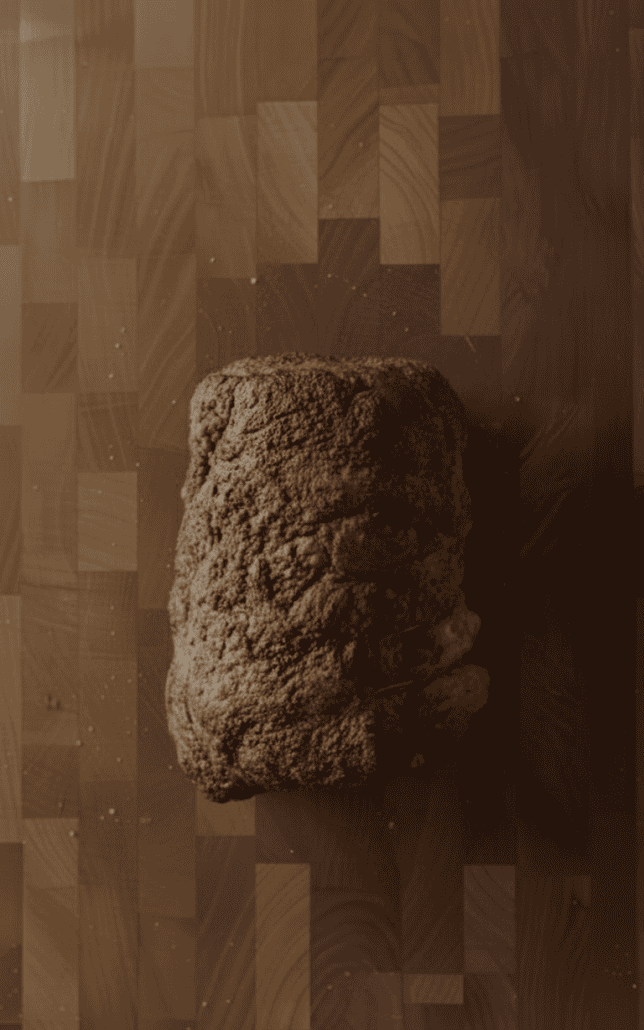
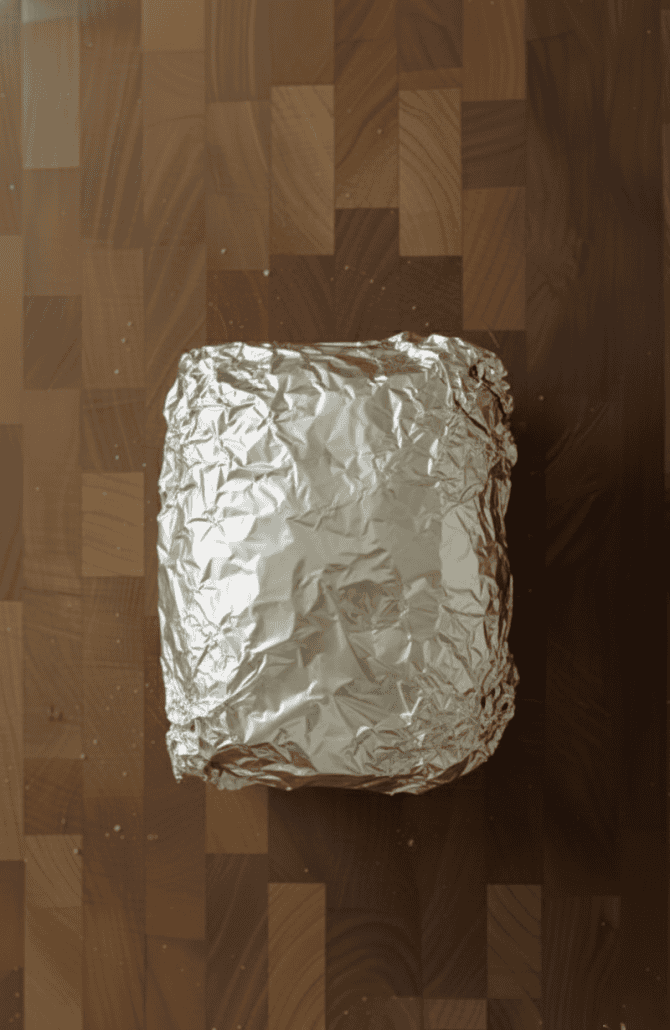
Once done, tent the roast with foil and let it rest before slicing. This helps the juices redistribute and keeps the meat tender.
Serving Suggestions
-
Serve your prime rib roast alongside classic holiday sides like homemade mashed potatoes, garlic roasted brussels sprouts, or homemade buttery dinner rolls for a traditional feast.
-
For a more elegant presentation, slice the roast at the table and plate it with a drizzle of au jus or homemade horseradish cream sauce.
Want to save this recipe?
-
Pair it with a crunchy green salad and a glass of red wine Sangria or Merlot to balance the richness of the meat.
-
Leftovers make amazing prime rib sandwiches—just slice thinly and layer on crusty bread with your favorite condiments.
-
For a complete meal, add a cozy creamy tomato soup or appetizer to start, like a spinach and mushroom soup or Mexican shrimp cocktail.
Tips For Success
-
Bring the roast to room temperature before cooking – Letting it sit on the counter for a few hours helps the meat cook more evenly. If it’s too cold, the outside may overcook before the inside is done. This step is simple but makes a big difference in the final result. Always plan ahead for this resting time before roasting.
-
Use an instant-read thermometer – This is the most accurate way to check if your roast is done. Insert it into the thickest part of the meat, avoiding any bones. Aim for 120°F for medium-rare, 130°F for medium, and 140°F for well-done.
-
Let the roast rest after cooking – Tenting the roast with foil and letting it sit for 30 to 60 minutes allows the juices to redistribute. This keeps the meat moist and flavorful. It also makes slicing much easier and cleaner.
-
Pat the roast dry before seasoning – Use paper towels to blot away any excess moisture. A dry surface helps the flour and seasoning mixture stick better and form a nice crust. This small step helps you get that perfect golden-brown finish.
-
Plan your cooking schedule in advance – Since the roast takes several hours from start to finish, it’s helpful to work backward from your serving time. Prepare side dishes early so everything is ready at once. Once the roast is in the oven, there’s minimal hands-on time needed—just sit back and let it cook!
Variations And Substitutions
-
Different sizes of roast – If you’re cooking for a smaller group, you can use a smaller prime rib roast—just adjust the cooking time to roughly 20 minutes per pound. The rest of the recipe stays exactly the same. You’ll still get that beautiful seasoned crust and tender, juicy interior. Don’t forget to use a meat thermometer to check doneness no matter the size.
-
Bone-in vs. boneless roast – This recipe calls for a bone-in roast with the ribs cut off and tied back on for easier carving. However, you can use a boneless roast if you prefer. Just make sure it’s securely tied so it holds its shape while roasting. Bone-in tends to be a bit more flavorful, but both versions turn out great.
-
Gluten-free option – You can easily make this recipe gluten-free by swapping the all-purpose flour for a gluten-free flour blend. Choose one that works well for baking or coating meats. The purpose of the flour is to help form a crust and hold the seasoning—so any fine, neutral-tasting gluten-free flour should do the trick. Always double-check labels to ensure there’s no hidden gluten.
-
Low-sodium variation – If you’re watching your salt intake, feel free to cut the salt in half or use a low-sodium salt substitute. You can also boost flavor with extra herbs and spices like rosemary, thyme, or dried mustard. This keeps the roast flavorful without too much sodium. It’s a smart way to customize the recipe to fit your dietary needs.
-
Customize the seasoning blend – The flour rub is versatile! You can mix in dried herbs like thyme, rosemary, or oregano for a different flavor profile. Want more spice? Add a pinch of cayenne or crushed red pepper flakes. You can adjust the seasoning to match your tastes or theme of the meal.
-
Serving sauce options – While the roast is flavorful on its own, you can serve it with sauces like creamy horseradish, au jus, or even a red wine reduction. These add another layer of flavor and make the dish feel extra special. If you’re making this for a crowd, set out a few sauce options. It gives guests a chance to customize their plates.
Storage and Reheating
-
Refrigerator Storage – Store leftover prime rib roast in an airtight container in the fridge. It will stay fresh for up to 4 days.
-
Freezer Storage – Slice the roast and place it in a freezer-safe container or bag. It can be frozen for up to 3 months.
-
Oven Reheating – Place slices in a baking dish with a splash of beef broth or water. Cover with foil and warm in a 300°F oven for 15–20 minutes until heated through.
-
Microwave Reheating – Heat slices at 50% power in 30-second intervals to avoid drying them out. Check frequently so you don’t overcook the meat.
-
Best Reheating Method – Reheat individual slices rather than the whole roast for better results. This keeps the texture and doneness just right.
-
Bonus Tip – Leftover prime rib is delicious in sandwiches, breakfast hash, or wraps—so get creative with the extras!
Frequently Asked Questions
How do I know when my prime rib is done?
The best way to tell is by using an instant-read meat thermometer. Insert it into the thickest part of the roast, avoiding the bone. For medium-rare, pull the roast at 120°F; for medium, aim for 130°F; and for well-done, go up to 140°F. Remember, the roast will continue to cook slightly as it rests.
Can I cook prime rib in advance?
Yes! You can cook the roast a few hours ahead of time. After it rests, wrap it in foil and keep it in a warm oven (around 140°F) until you’re ready to serve. This helps keep it warm without overcooking.
Do I need to sear the roast first?
No searing needed with this recipe! The high initial oven temperature combined with the seasoned flour crust naturally creates a beautiful, flavorful sear. It’s one less step and still gives you that rich, golden exterior.
What if I don’t have a roasting pan?
You can use any oven-safe pan large enough to hold the roast. A heavy-duty baking dish with high sides or even a Dutch oven can work. Just make sure it’s deep enough to catch drippings and support the roast.
How long should I let the roast rest before slicing?
Let the roast rest for at least 30 minutes after cooking. This allows the juices to redistribute and makes the roast easier to slice. Resting is key for juicy, tender results.
Can I use a boneless prime rib instead?
Yes! Boneless prime rib works great. Just tie the roast with kitchen twine so it holds its shape while roasting. The cooking method and timing are the same—just be sure to monitor internal temperature.
What’s the best way to slice prime rib?
Always slice against the grain for the most tender bite. Use a sharp carving knife or electric knife and cut into desired thickness. Start by removing the tied-back bones and then slice the roast. Serve slices immediately while warm.
Why is the outside of my roast browning too fast?
This can happen if your oven runs hot. You can loosely cover the top of the roast with foil partway through cooking to prevent over-browning. Also, be sure the roast is centered in the oven for even heat circulation.
Can I use different seasonings?
Absolutely! The flour rub is customizable. You can add herbs like rosemary, thyme, or even a pinch of cayenne for spice. It’s easy to adapt the flavor to your taste.
How many people will this serve?
A 14 lb roast typically serves around 12–14 people, depending on portion size. If you have hearty eaters or fewer side dishes, plan for 1 pound per person. Leftovers are always a bonus!
Other Easy Beef Recipes
Air Fried Short Ribs – These air fried short ribs come out crispy on the outside and fall-off-the-bone tender on the inside—no grill needed!
Ground Beef with Potatoes and Onions – This hearty one-pan dinner of ground beef, potatoes, and onions is the ultimate comfort food made simple.
Teriyaki Beef Stir Fry – Juicy strips of beef are tossed in a homemade teriyaki sauce with veggies for a quick and flavorful stir fry.
Instant Pot Beef and Vegetable Soup – This cozy beef and veggie soup cooks up fast in the Instant Pot and is packed with rich flavor.
Eye of Round Roast in the Instant Pot – This easy Instant Pot recipe turns an affordable eye of round roast into a tender, juicy main dish.
Roast Beef BBQ Sandwiches – Shredded leftover roast beef gets a delicious makeover with BBQ sauce, perfect for quick and satisfying sandwiches.
PF Chang’s Style Mongolian Beef – Make your favorite takeout dish at home with this sweet and savory Mongolian beef copycat recipe!
Prime Rib Roast
Want to save this recipe?
Ingredients
- 14 lb 1 prime rib roast bones removed and tied back on
- ¾ cup all-purpose flour
- 2 tsp salt
- 2 tsp freshly ground black pepper
- 2 tsp paprika
- 1 tsp onion powder
- ½ tsp garlic powder
- ¼ tsp celery seed
Recommended Kitchen Tools (click the links below to see the items used to make this recipe)
- Roasting pan
- Aluminum foil
- Measuring cup
- Paper towels
Instructions
- Take the prime rib roast out of the fridge and let it sit at room temperature for 3 hours.
- Preheat your oven to 425°F. Line your roasting pan with foil for easy cleanup.
- Pat the roast dry with paper towels and place it into the prepared pan.
- In a bowl, combine the flour, salt, pepper, paprika, onion powder, garlic powder, and celery seed.
- Evenly coat the entire roast with the flour mixture, pressing it gently to stick.
- Roast in the preheated oven for about 20 minutes per pound (around 4½ hours for a 14 lb roast), or until it reaches your preferred level of doneness—120°F for medium-rare, 130°F for medium, or 140°F for well-done.
- Once done, loosely tent the roast with foil and let it rest for 30–60 minutes before slicing.
Notes
- Use a meat thermometer for best results — don’t guess!
- Resting the meat helps keep it juicy and easier to slice.