Tips For Success
- One of the most important steps is beating the eggs and sugar long enough. Mix them for the full 5–7 minutes until the mixture becomes thick and pale yellow. This step creates air in the batter and helps form the delicate crust on top while the inside stays soft and pudding-like. If this step is rushed, the dessert may not develop the right texture.
- Another essential step is using the water bath when baking. Placing the baking dish inside a larger pan filled with hot water helps the dessert cook gently and evenly. This method prevents the edges from overbaking while the center stays soft and gooey. Without the water bath, the dessert will bake more like regular brownies instead of pudding.
- Be careful not to overmix the batter once the dry ingredients are added. Mix just until everything is combined and smooth. Overmixing can make the texture denser than intended. Keeping the batter lightly mixed helps maintain that soft pudding center.
- It’s also important to use very hot water in the water bath. Hot water helps start the gentle baking process immediately once the pan goes into the oven. Carefully pour the water into the outer pan after placing it in the oven to avoid spills. The water should reach about halfway up the sides of the baking dish.
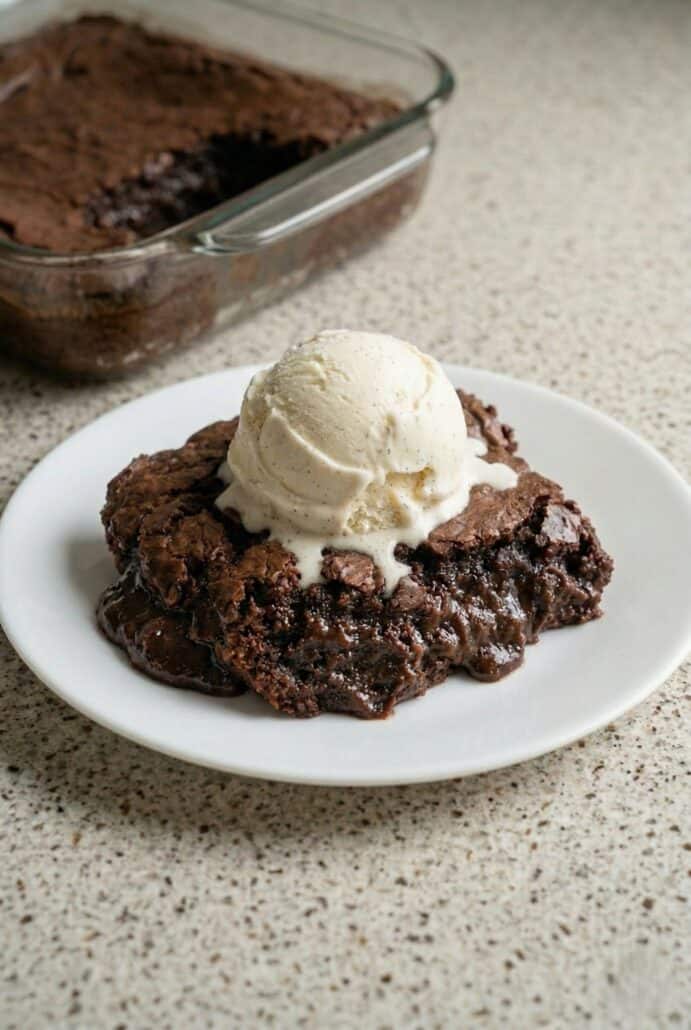
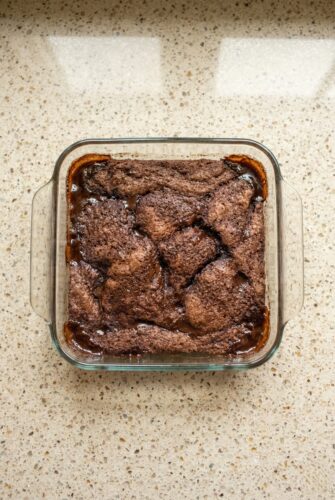
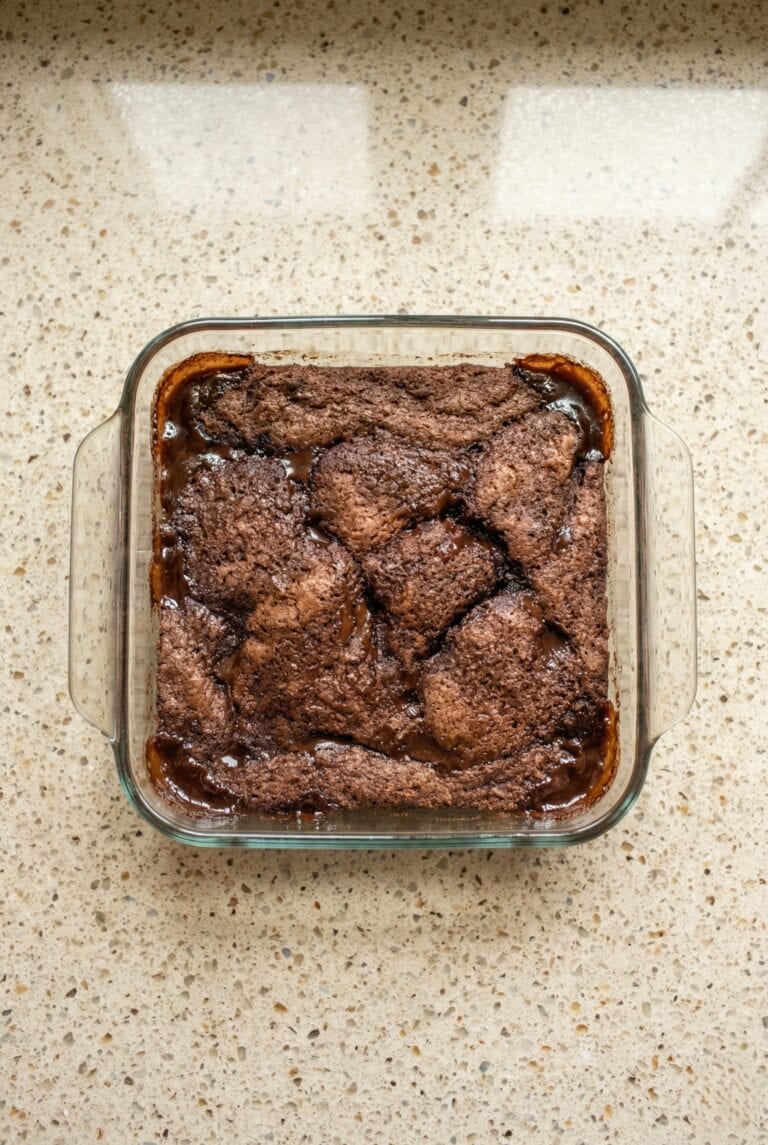
- When the brownie pudding is finished baking, the top will look set but the center will appear underbaked. This is exactly what you want. The dessert continues to settle as it cools slightly, creating the rich pudding layer underneath the crust.
- Finally, allow the dessert to rest for about 10–20 minutes before serving. This short cooling time helps the pudding layer thicken slightly so it’s easier to scoop. The dessert will still be warm, soft, and incredibly gooey when served.
Variations And Substitutions
- One simple variation is using different types of cocoa powder. Regular cocoa powder works great and gives a classic chocolate flavor. Dutch-process cocoa powder creates a deeper, smoother chocolate taste. If you enjoy very rich chocolate desserts, dark cocoa powder can also be used for an even more intense flavor.
- You can also adjust the sweetness slightly depending on your preference. If you prefer a less sweet dessert, you can reduce the sugar a little. The dessert will still be rich and chocolatey because of the cocoa powder and butter. Just keep in mind that sugar also helps create the delicate crust on top.
- Another option is to experiment with flavor extracts. While vanilla extract adds warmth and depth to the dessert, you could try adding a small amount of almond extract for a slightly different flavor profile. Even a small amount can change the aroma and make the dessert feel unique.
- If you only have unsalted butter, you can still make this recipe easily. Simply use the same amount of unsalted butter and add a tiny extra pinch of salt to the dry ingredients. This helps balance the sweetness and keeps the flavor well rounded.
- For a slightly different presentation, you could also bake the pudding in smaller oven-safe dishes or ramekins instead of one larger baking dish. This creates individual servings that are perfect for dinner parties or special occasions. Just remember that smaller dishes may bake a little faster, so keep an eye on them toward the end of the baking time.
- Another fun variation is adding texture to the batter. Some people like to stir in chocolate chips before baking for pockets of melted chocolate throughout the pudding. This makes the dessert even richer and more indulgent.
- You can also pair the pudding with different toppings when serving. Fresh berries, whipped cream, or a dusting of cocoa powder can add contrast to the rich chocolate flavor. These small additions can change the presentation and make the dessert feel new each time you serve it.
Storage and Reheating
- Storage – Allow the brownie pudding to cool completely before storing. Cover the baking dish tightly with plastic wrap or transfer leftovers to an airtight container. Store in the refrigerator for up to 3 days. The pudding will firm up slightly when chilled but will still keep its rich chocolate flavor.
- Reheating – To bring back the soft, gooey texture, warm individual portions before serving. Place a scoop of brownie pudding in a microwave-safe bowl and heat for 20–30 seconds until warm. You can also reheat it in the oven at 300°F for about 10–15 minutes until heated through.
Frequently Asked Questions
Why does brownie pudding use a water bath?
A water bath helps the brownie pudding bake gently and evenly. By surrounding the baking dish with hot water, the dessert cooks at a more controlled temperature instead of being exposed to direct oven heat. This method prevents the edges from baking too quickly while the center stays soft and pudding-like. Without the water bath, the dessert would bake more like a traditional pan of brownies instead of forming the signature molten pudding layer underneath the crust.
The water bath also helps maintain moisture while baking. Chocolate desserts can easily become dry if baked too quickly, but the water bath keeps the environment slightly humid. This is what helps create the rich, gooey texture that makes brownie pudding so special.
How do I know when brownie pudding is done baking?
Brownie pudding looks different from most baked desserts when it finishes baking. The top should form a thin crust that looks set, but the center will still appear soft and slightly underbaked. This is exactly the texture you want.
As the dessert cools for about 10–20 minutes, the center will settle and thicken into a rich pudding consistency. If you wait too long to remove it from the oven, the center may become more cake-like instead of gooey. The slightly soft middle is what gives this dessert its signature texture.
Can I make brownie pudding ahead of time?
Yes, brownie pudding can be made ahead of time if needed. After baking, allow it to cool completely and then store it covered in the refrigerator. It will keep well for up to three days.
When you’re ready to serve it, simply reheat individual portions in the microwave or warm the dish in the oven until heated through. The pudding will soften again when warmed. Many people find that reheating restores much of the gooey texture.
Can I use different types of cocoa powder?
Yes, several types of cocoa powder can work in this recipe. Regular unsweetened cocoa powder gives a classic chocolate flavor that most people are familiar with. Dutch-process cocoa powder creates a smoother and slightly deeper chocolate taste.
Dark cocoa powder can also be used if you want a more intense chocolate flavor. Each option will slightly change the richness of the dessert, but the overall texture and structure will remain the same.
Why do I need to beat the eggs and sugar for several minutes?
Beating the eggs and sugar for the full amount of time is very important for this recipe. During those 5–7 minutes, the mixture becomes thick and pale while incorporating air. This step helps create the delicate crust that forms on top of the dessert as it bakes.
If the eggs and sugar are not beaten long enough, the dessert may turn out dense instead of having that light crust with a gooey center. The extra mixing time helps develop the proper structure and gives brownie pudding its unique texture.
What size baking dish should I use?
A 2-quart baking dish works best for this recipe because it gives the batter the proper depth while baking. The depth helps create the contrast between the crusty top and the soft pudding layer underneath.
If the dish is too large, the batter will spread too thin and may bake more like brownies. Using the correct size dish helps the dessert cook evenly and maintain its signature gooey center.
Can brownie pudding be served cold?
Brownie pudding is best served warm because that’s when the center has the soft, molten texture that makes it so delicious. The chocolate flavor also feels richer when the dessert is warm.
However, leftovers stored in the refrigerator can still be enjoyed cold if you prefer a firmer texture. Most people choose to reheat it briefly so the pudding layer becomes soft and gooey again before serving.
Other Easy Pudding Recipes
Bread Pudding Recipe – This classic bread pudding is soft, rich, and perfectly sweet, baked until golden with a custardy center and comforting flavor in every bite.
Instant Pot Bread Pudding – This Instant Pot bread pudding is an easy pressure cooker dessert that turns simple ingredients into a warm, moist, and perfectly spiced treat.