How to Cook Perfect Basmati Rice – Fluffy Every Time!

This post may contain affiliate links (disclosure). 

This perfect stovetop basmati rice is light, fluffy, and full of simple savory flavor. Soaking and rinsing the rice helps remove excess starch, while boiling it like pasta makes it easier to avoid mushy results. Finished with butter, cumin, salt, and black pepper, this easy basmati rice makes a delicious side dish for curries, chicken, vegetables, and more.
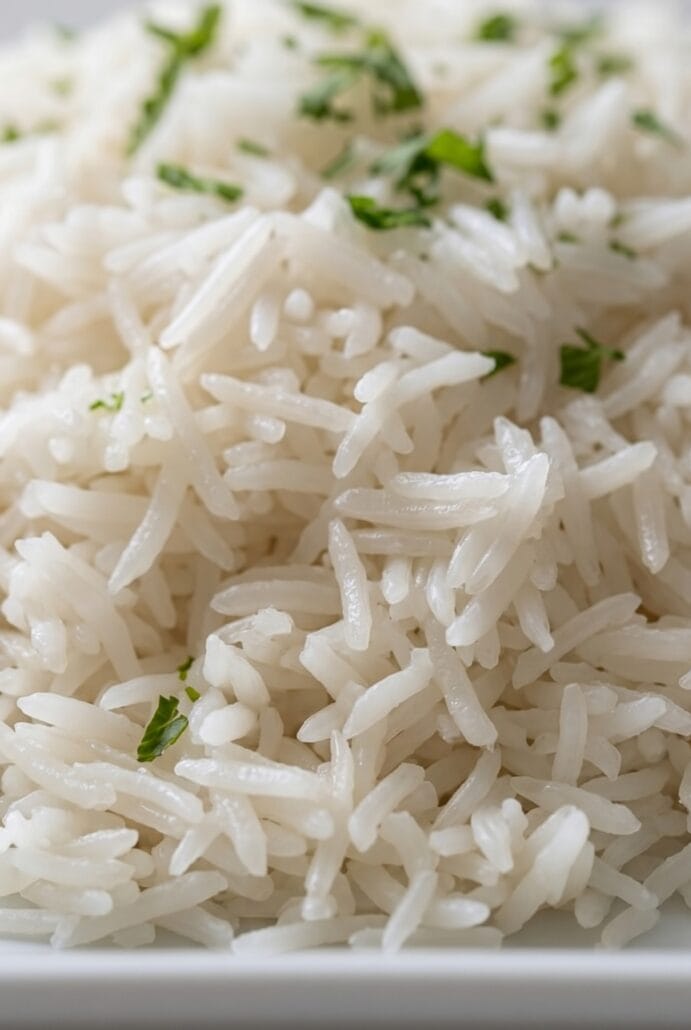
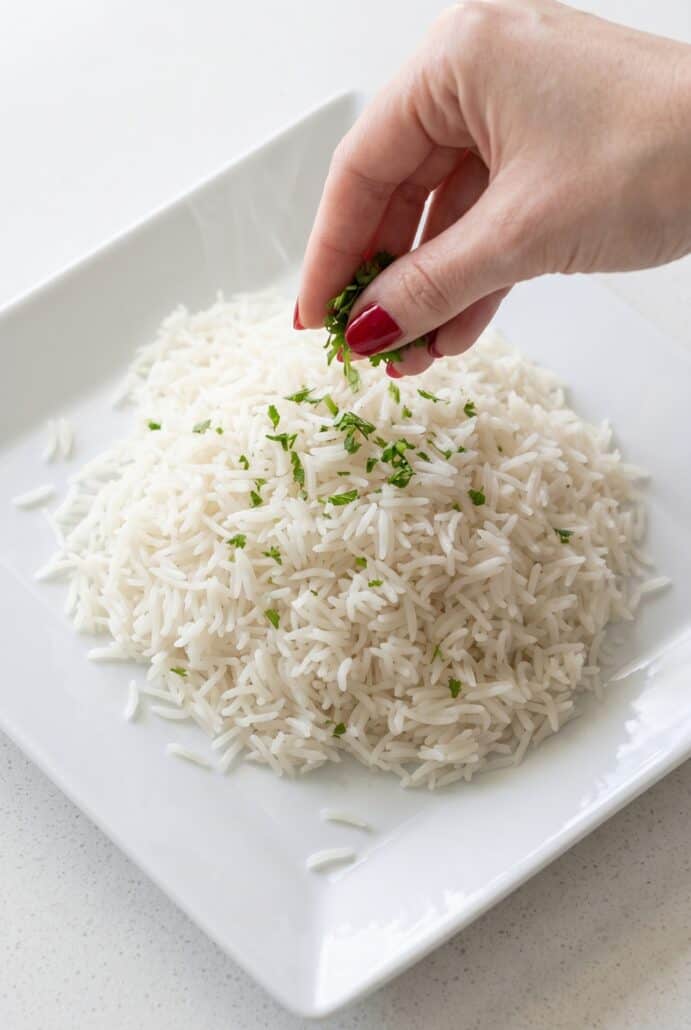
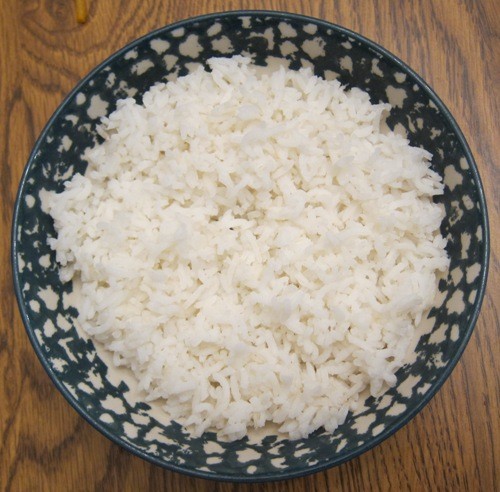
Fluffy basmati rice with long, separate grains.

Want to save this recipe?

Just enter your email and I’ll send it right to you, plus great new recipes weekly!

Why You’ll Love Basmati Rice

  • This basmati rice turns out light and fluffy. The grains stay separate instead of becoming mushy. The texture is soft with just a slight bite. It is a reliable side dish for many meals.
  • The recipe uses a simple stovetop method. Boiling the rice like pasta makes it easier to control the doneness. You can taste the rice as it cooks. This helps prevent overcooking.
  • Soaking and rinsing remove excess starch. This small step makes a big difference in the final texture. It helps the rice cook evenly. It also keeps the grains from sticking together.
  • Butter, cumin, salt, and black pepper add delicious flavor. The seasonings are simple but tasty. They make the rice more interesting without overpowering it. This rice pairs well with many main dishes.
  • The recipe is easy to prepare with basic kitchen tools. You do not need any special equipment. The rice can soak while you work on the rest of the meal. It is a practical choice for busy home cooks.
  • This recipe makes 6 to 8 servings. It is great for family dinners or meal prep. Leftovers can be served with another meal. The generous amount also works well for gatherings.

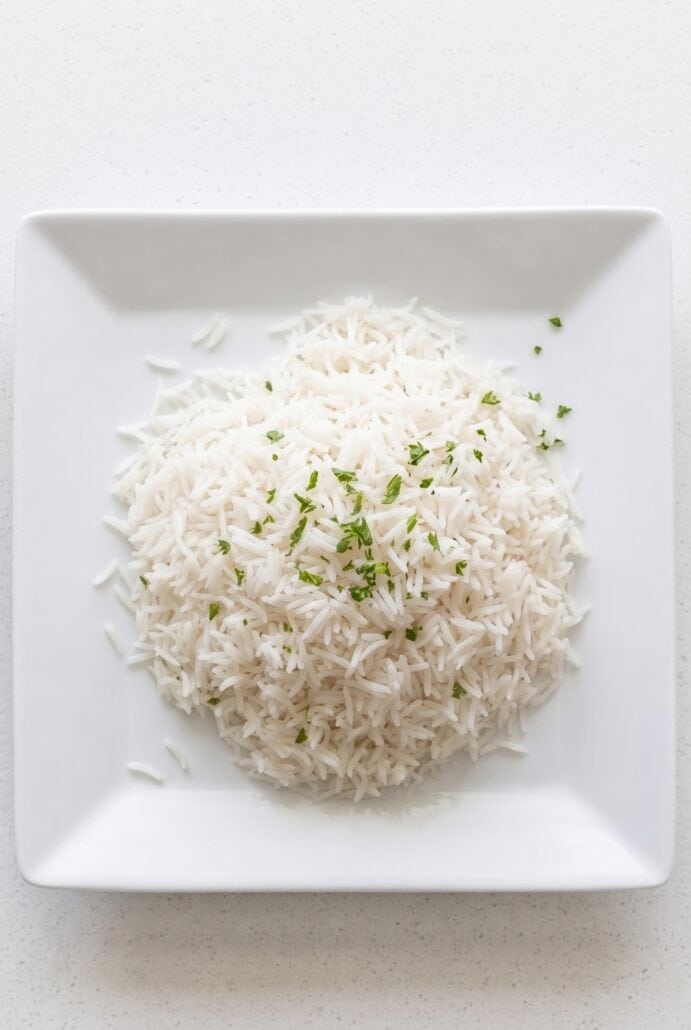
Fluffy basmati rice garnished with fresh herbs on a white plate.

Ingredients For Basmati Rice

  • Basmati rice – This long-grain rice cooks up light and fluffy when soaked, rinsed, and boiled carefully.
  • Cool water – Used for soaking and rinsing the rice to help remove excess starch.
  • Fresh water – Used to boil the rice until it is almost fully cooked.
  • Butter – Adds richness and helps coat the rice with delicious flavor.
  • Salt – Enhances the natural flavor of the basmati rice.
  • Cumin – Gives the rice a warm, savory flavor.
  • Black pepper – Adds a mild peppery finish.

For the exact measurements of the ingredients, see the printable recipe card at the bottom of this article.

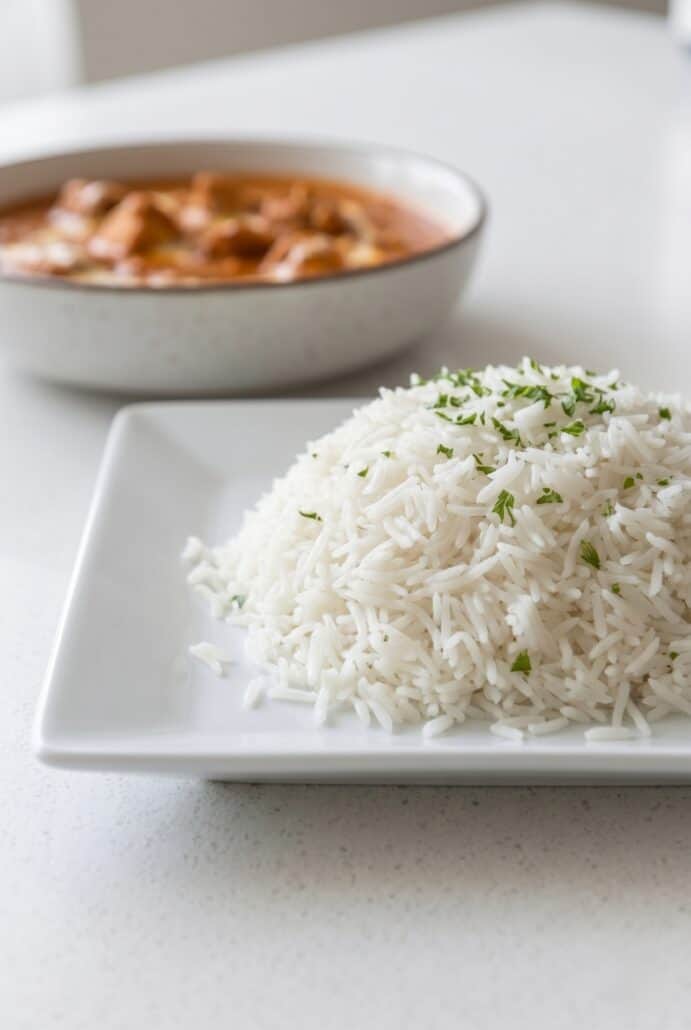
Fluffy basmati rice with fresh herb garnish, ready to serve as an easy side dish.

How To Make Basmati Rice

  • Add the basmati rice to a large saucepan and cover it with cool water. Let it soak for 30 minutes.
  • Pour the rice into a fine-mesh strainer. Rinse it under cool running water for about 30 seconds.
  • Transfer the drained rice back to the saucepan. Pour in enough fresh water to cover the rice by at least 1 inch.
  • Place the lid on the saucepan and bring the water to a full boil over high heat. Keep an eye on the pot so it does not overflow.
  • Take off the lid once the water is boiling. Let the rice cook for about 2 minutes.
  • Taste a grain after the first minute. The rice should be almost tender but still slightly firm.
  • Drain the rice well and return it to the warm saucepan. Stir in the butter, salt, cumin, and black pepper.
  • Cover the saucepan and let the rice steam on the turned-off burner for 5 to 10 minutes. Fluff gently and serve.

Fluffy basmati rice served with a flavorful curry for an easy complete meal.

Serving Suggestions

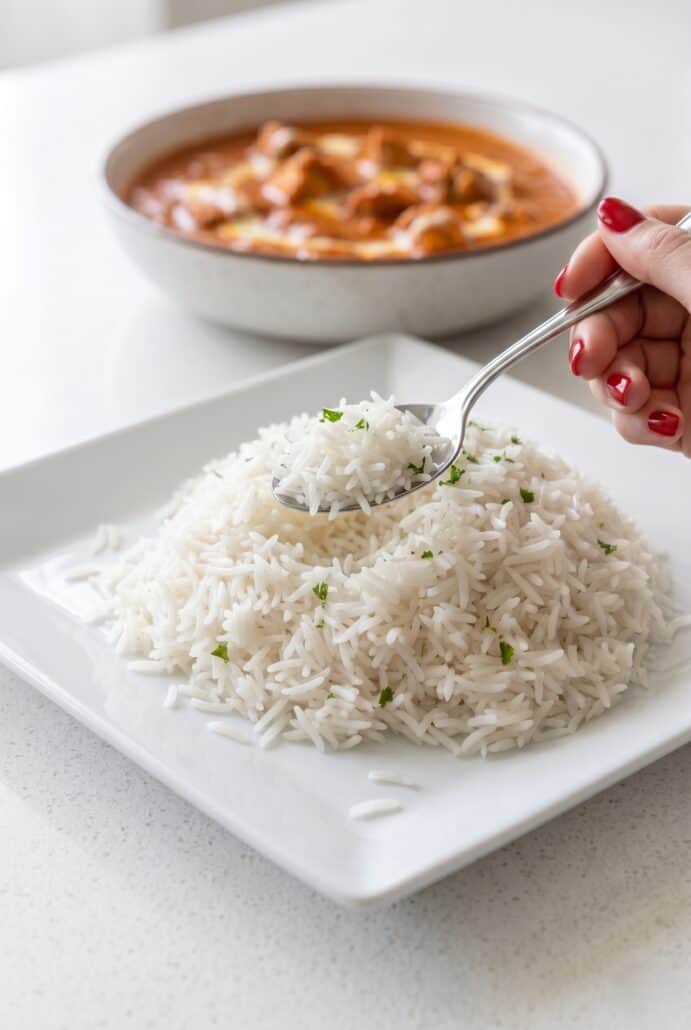
Fluffy basmati rice being served with a spoon alongside a flavorful curry.

Tips For Success

  • The most important step for making perfect basmati rice is soaking it before cooking. Let the rice sit in cool water for 30 minutes. This helps remove some of the excess starch that can make the rice sticky or mushy. It also helps shorten the cooking time once the rice reaches a boil.
  • Rinse the soaked rice well before cooking. Pour it into a fine-mesh strainer and rinse it under cool running water for about 30 seconds. This removes even more surface starch. A thorough rinse helps the grains stay separate after cooking.
  • Use a saucepan that is large enough for the rice and water. A pot larger than 2 quarts is best for the full recipe. The water can rise quickly as it comes to a boil. A larger pot gives you more room and helps prevent boil-overs.
  • Watch the saucepan closely while the covered water comes to a full boil. Since the rice is cooked in plenty of water, it may bubble up quickly. Remove the lid once the water reaches a full boil. Continue cooking the rice uncovered.
  • Taste the rice while it cooks. This is the best way to know when it is ready. Begin checking one grain after about 1 minute of boiling. The rice should be almost completely tender but still have a slight firmness in the center.
  • Do not let the rice become fully soft in the boiling water. It will continue cooking after you drain it. Overcooking at this stage may lead to soft or mushy rice. Drain it as soon as it reaches an almost-done texture.
  • Drain the cooked rice thoroughly. Extra water left in the pot can make the finished rice wet. Return the drained rice to the warm saucepan and place it on the turned-off burner. The remaining warmth will help finish the cooking process.
  • Add the butter, salt, cumin, and black pepper while the rice is still hot. Cover the saucepan and let the rice steam for 5 to 10 minutes. This resting time allows the grains to finish cooking and absorb the seasonings.
  • Stir the rice gently before serving. Avoid vigorous stirring because it can break the delicate grains. A light stir will distribute the melted butter and spices while keeping the basmati rice fluffy.

Variations And Substitutions

  • This stovetop rice method can also be used with jasmine rice and enriched long-grain rice. For either of these varieties, soak the rice for 15 minutes instead of 30 minutes. Then rinse, boil, taste, drain, season, and steam it using the same general method. Since different rice varieties can cook at slightly different speeds, begin tasting the grains soon after the water reaches a full boil.
  • Jasmine rice is a good option when you want a softer texture and a different aroma. Be careful not to boil it too long because it may cook faster than basmati rice. Taste a grain after about 1 minute of boiling. Drain it as soon as it is almost tender, then let it finish cooking in the covered saucepan.
  • Enriched long-grain rice can also be prepared with this method. Soak it for about 15 minutes before rinsing. Use enough fresh water to cover the rice by at least 1 inch, and watch it closely as it boils. The tasting step is especially important because the exact cooking time can vary.
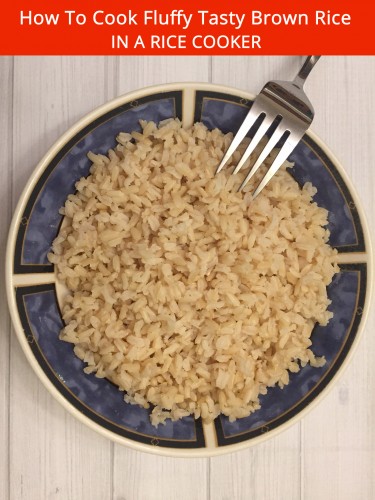
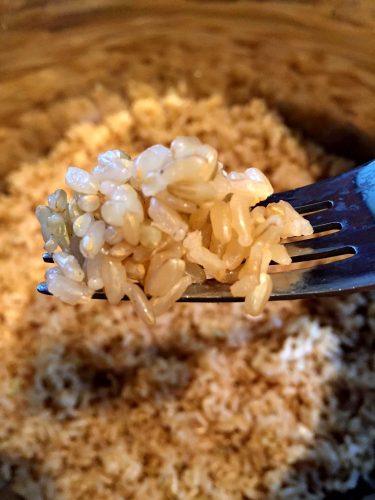
  • Brown rice is another possible variation, but it needs more time and water. Soak brown rice for 30 minutes. After bringing it to a boil, cook it for about 8 minutes rather than 2 minutes. Since it boils longer, make sure there is enough water in the saucepan to keep the grains fully covered.
  • You can also adjust the amount of seasoning to suit your taste. Use a little more or less salt, cumin, or black pepper depending on how flavorful you want the rice to be. The butter adds richness and helps distribute the seasonings throughout the rice.
  • For a more simply flavored version, prepare the rice with butter and salt while reducing the cumin and black pepper. For a stronger savory flavor, use the full amounts of cumin and pepper. No matter which variation you choose, avoid overcooking the rice in the boiling water. Drain it when it is almost done because it will continue cooking as it steams in the covered pot.

Storage And Reheating

  • Let the basmati rice cool before transferring it to an airtight container. Store it in the refrigerator until you are ready to serve it again.
  • To reheat, place the rice in a saucepan and warm it gently. Keep the heat low and stir carefully so the grains do not break or become mushy.
  • You can also cover the saucepan while reheating to help the rice warm through evenly. Avoid cooking it longer than necessary, since overcooking can soften the texture.

Frequently Asked Questions

Why should I soak basmati rice before cooking it?

Soaking basmati rice helps remove some of the excess starch that can make the cooked rice sticky or mushy. For this recipe, the rice soaks in cool water for 30 minutes before it is rinsed and boiled. The soaking step also helps reduce the amount of time the rice needs to cook once the water reaches a full boil. While the rice soaks, you can prepare the rest of your meal.

Why do I need to rinse the rice after soaking it?

Rinsing removes even more starch from the surface of the rice. After the 30-minute soak, pour the rice into a fine-mesh strainer and rinse it with cool water for about 30 seconds. This extra step helps the grains stay separate after cooking. It is especially useful when you want fluffy basmati rice instead of soft or clumpy rice.

Want to save this recipe?

Just enter your email and I’ll send it right to you, plus great new recipes weekly!

Why is this basmati rice cooked like pasta?

Cooking basmati rice in plenty of water makes it easier to control the texture. Instead of relying only on a fixed water-to-rice ratio, you can taste the rice as it boils and drain it when it is nearly done. This method helps prevent mushy rice. The rice finishes cooking during the covered resting period after it has been drained.

How much water should I use to boil basmati rice?

Use about 6 cups of fresh water, or enough to cover the rice by at least 1 inch. The exact amount may vary depending on the size and shape of your saucepan. The rice needs enough room to move around while it boils. A larger saucepan also helps reduce the chance of the water boiling over.

How long should basmati rice boil?

Once the water reaches a full boil, remove the lid and boil the rice for about 2 minutes. Begin tasting a grain after the first minute. The rice should be almost fully cooked but still slightly firm. Do not wait until it becomes completely soft because it will continue cooking as it steams in the covered saucepan.

How can I tell when the rice is ready to drain?

Taste one grain while the rice is boiling. It should be nearly tender with a very slight firmness remaining. This is the best time to turn off the heat and drain it. If the rice is still too firm, check it again after another minute. Watching the texture closely is more reliable than cooking it for too long.

Why does the rice need to rest after draining?

The covered resting period allows the rice to finish cooking with the remaining heat. After draining, return the rice to the warm saucepan and place it back on the turned-off burner. Add the butter, salt, cumin, and black pepper, then cover the pot. Letting it sit for 5 to 10 minutes helps the grains become tender while absorbing the seasonings.

Can I use this cooking method for other types of rice?

Yes. The same general method can be used for jasmine rice and enriched long-grain rice. Soak those varieties for 15 minutes instead of 30 minutes. Brown rice can also be prepared this way, but it needs a 30-minute soak, more water, and about 8 minutes of boiling. Always taste the rice as it cooks because the timing can vary.

What size saucepan should I use?

Use a saucepan or pot larger than 2 quarts when preparing the full recipe. A 2-quart saucepan may feel crowded once the rice and water begin to boil. A larger pot gives the rice more space and makes boil-overs less likely. A nonstick saucepan can also make the rice easier to handle.

What gives this basmati rice its flavor?

Butter, salt, cumin, and black pepper give the rice its savory flavor. The butter adds richness and helps coat the grains. Cumin provides warmth, while black pepper adds a mild peppery finish. Add these ingredients after draining the rice so they can absorb into the grains during the resting period.

How do I keep basmati rice from becoming mushy?

Soak and rinse the rice thoroughly before cooking it. Use plenty of boiling water and begin tasting the rice after about 1 minute. Drain it while it is still slightly firm, then allow it to finish cooking while covered. The most important step is avoiding overcooking during the boiling stage.

How many servings does this recipe make?

This recipe makes approximately 6 to 8 side-dish servings. The exact number depends on the size of each portion and what else you are serving with the rice. It works well for a family meal or as a side dish alongside a flavorful main course.

Other Easy Rice Recipes

Click Here To Pin This Recipe

Basmati Rice

This perfect basmati rice cooks up light, fluffy, and never mushy. Soaking and rinsing the rice removes excess starch, while the pasta-style boiling method makes it easy to control the texture. Butter, cumin, salt, and black pepper add delicious savory flavor.
Prep Time30 minutes
Cook Time2 minutes
Resting Time5 minutes
Total Time37 minutes
Course: Side Dish
Cuisine: Indian-Inspired
Keyword: basmati rice, cumin rice, easy rice recipe, fluffy basmati rice, stovetop rice
Cooking Method: Stovetop
Diet: Gluten-Free, Vegetarian
Servings: 6
Calories: 259kcal

Want to save this recipe?

Just enter your email and I’ll send it right to you, plus great new recipes weekly!

Ingredients

  • 2 cups basmati rice
  • 6 cups cool water for soaking and rinsing
  • 6 cups fresh water or enough to cover the rice by at least 1 inch, for boiling
  • 2 tbsp butter
  • 1 tsp salt
  • ½ tsp cumin
  • ¼ tsp black pepper

Instructions

  • Place the basmati rice in a large saucepan. Add about 4 cups of cool water, or enough to cover the rice completely, and soak for 30 minutes.
  • Drain the rice through a fine-mesh strainer. Rinse it with the remaining cool water for about 30 seconds to remove more excess starch.
  • Return the rice to the saucepan. Add about 6 cups of fresh water, or enough to cover the rice by at least 1 inch.
  • Cover the saucepan and bring the water to a full boil over high heat. Watch carefully to prevent it from boiling over.
  • Remove the lid once the water boils. Cook the rice for about 2 minutes, tasting one grain after the first minute.
  • Turn off the heat when the rice is almost tender but still slightly firm. Drain it thoroughly and return it to the warm saucepan.
  • Add the butter, salt, cumin, and black pepper. Cover the saucepan and let the rice steam on the turned-off burner for 5 to 10 minutes.
  • Gently stir the rice to distribute the butter and seasonings, then serve.

Notes

  • The water amounts are approximate because the original recipe directs you to cover the rice rather than use an exact quantity.
  • Do not overcook the rice. It will finish cooking while it rests in the covered saucepan.
NEVER MISS A RECIPE!I publish a new recipe several times per week. Want the new recipes in your inbox? Sign up for FREE notifications!

Nutrition

Calories: 259kcal | Carbohydrates: 49g | Protein: 4g | Fat: 4g | Saturated Fat: 3g | Polyunsaturated Fat: 0.3g | Monounsaturated Fat: 1g | Trans Fat: 0.2g | Cholesterol: 10mg | Sodium: 445mg | Potassium: 76mg | Fiber: 1g | Sugar: 0.1g | Vitamin A: 119IU | Vitamin C: 0.01mg | Calcium: 35mg | Iron: 1mg
Save This Recipe

More Side Dish Recipes

Get Melanie's FREE Recipes In Your Inbox!

Similar Posts

Leave a Reply

Your email address will not be published. Required fields are marked *

Rate This Recipe (only if you tried it, otherwise leave blank)