Fettuccine Alfredo Recipe (Creamy, Cheesy & Restaurant-Style!)
This post may contain affiliate links (disclosure).
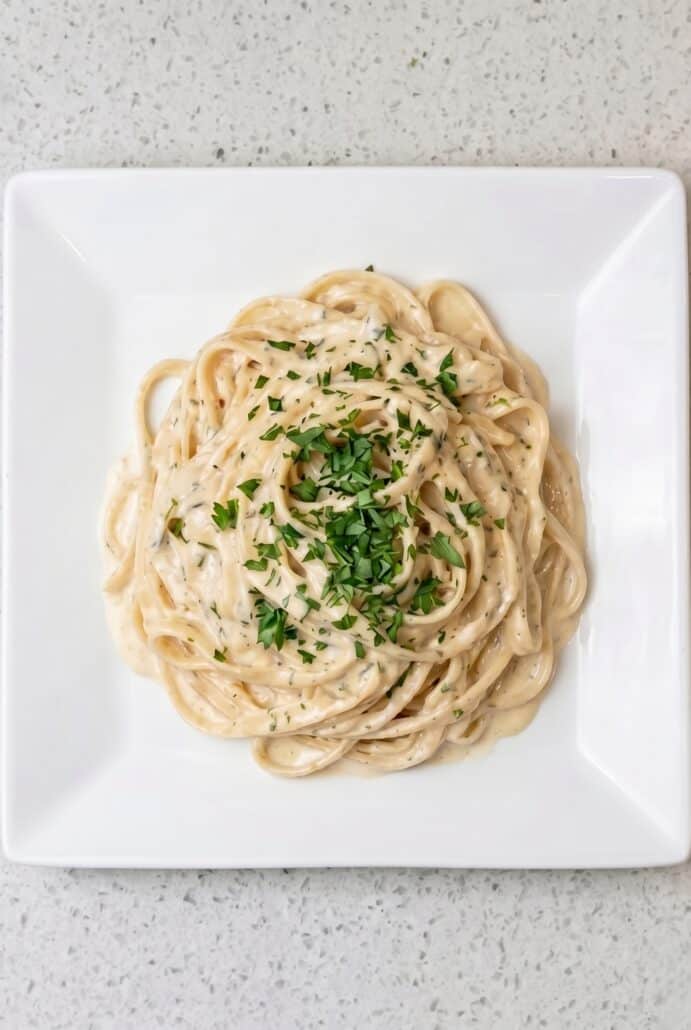
If you’re craving a rich and creamy pasta dish, this homemade Fettuccine Alfredo is exactly what you need. Made with simple ingredients like butter, cream, and cheese, this classic comfort food comes together quickly and tastes absolutely irresistible. Perfect for weeknight dinners or special occasions, this easy fettuccine Alfredo recipe delivers restaurant-quality flavor right at home.
Want to save this recipe?
Why You’ll Love Fettuccine Alfredo
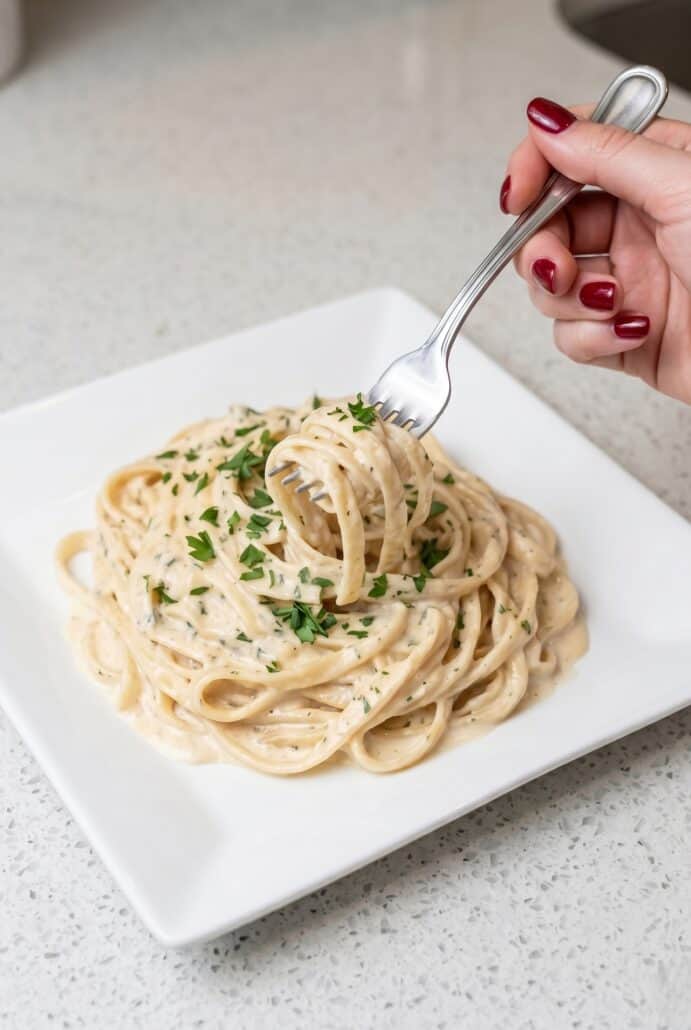
- This pasta is incredibly rich, creamy, and full of cheesy flavor in every bite. The buttery Alfredo sauce perfectly coats the fettuccine for a smooth and satisfying texture. It tastes just like something you would order at a restaurant. Every forkful feels indulgent and comforting.
- It’s surprisingly easy to make with simple, everyday ingredients. You don’t need any fancy cooking skills to pull this off successfully. The steps are straightforward and beginner-friendly. It comes together in just about 30 minutes from start to finish.
- This recipe is perfect for both weeknight dinners and special occasions. It feels elegant enough to serve to guests. At the same time, it’s quick enough for a busy day. You get a versatile dish that works anytime.
- The addition of fresh parsley brightens up the rich sauce beautifully. It adds a subtle freshness and a pop of color to the dish. You can mix it into the sauce and sprinkle more on top. This small touch makes a big difference in flavor and presentation.
- You can easily customize this recipe with your favorite add-ins. It pairs well with chicken, shrimp, or vegetables. You can keep it simple or make it more filling. This flexibility makes it a go-to pasta recipe for any preference.
Ingredients For Fettuccine Alfredo
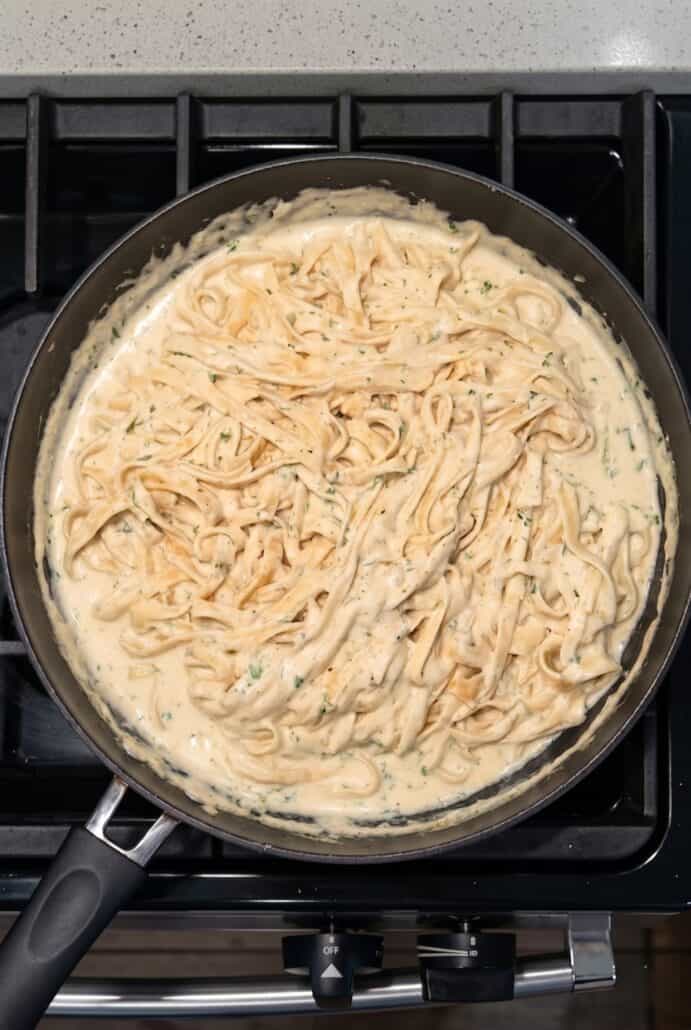
- Fettuccine pasta – This is the classic pasta used for Alfredo. Its wide, flat shape holds onto the creamy sauce perfectly. It gives you that traditional texture and look.
- Butter – Adds rich flavor and creates the base of the Alfredo sauce. It melts together with the cream for a silky smooth consistency. This is what makes the dish so indulgent.
- Heavy cream – Makes the sauce thick, creamy, and luxurious. It blends with the butter to create that signature Alfredo texture. This ingredient is key for richness.
- Garlic salt – Adds a subtle garlic flavor without overpowering the sauce. It enhances the overall taste with minimal effort. A little goes a long way.
- Salt – Balances and enhances all the flavors in the dish. It’s important for seasoning both the pasta and the sauce. Proper seasoning makes a big difference.
- Black pepper – Adds a mild kick and depth to the sauce. It complements the creaminess without making it spicy. Freshly ground works especially well.
- Romano cheese – Brings a sharp, salty flavor that gives the sauce more complexity. It melts beautifully into the cream. This cheese adds boldness to the dish.
- Parmesan cheese – Adds a nutty, savory flavor and helps thicken the sauce. It works together with Romano for a perfectly balanced cheesy taste. Freshly grated is best.
- Fresh parsley – Mixed into the sauce for a fresh, slightly herby flavor. It also adds a pop of color to the creamy pasta. A little extra on top makes a great garnish.
For the exact measurements of the ingredients, see the printable recipe card at the bottom of this article.
How To Make Fettuccine Alfredo
- Boil salted water in a large pot and cook the fettuccine until tender but still slightly firm. Drain and set aside.
- In a saucepan, gently heat the butter and heavy cream together until fully melted and combined.
- Add the garlic salt, salt, and black pepper, stirring to evenly distribute the seasoning.
- Turn the heat up slightly and mix in the Romano and Parmesan cheese. Stir until the sauce becomes smooth and creamy.
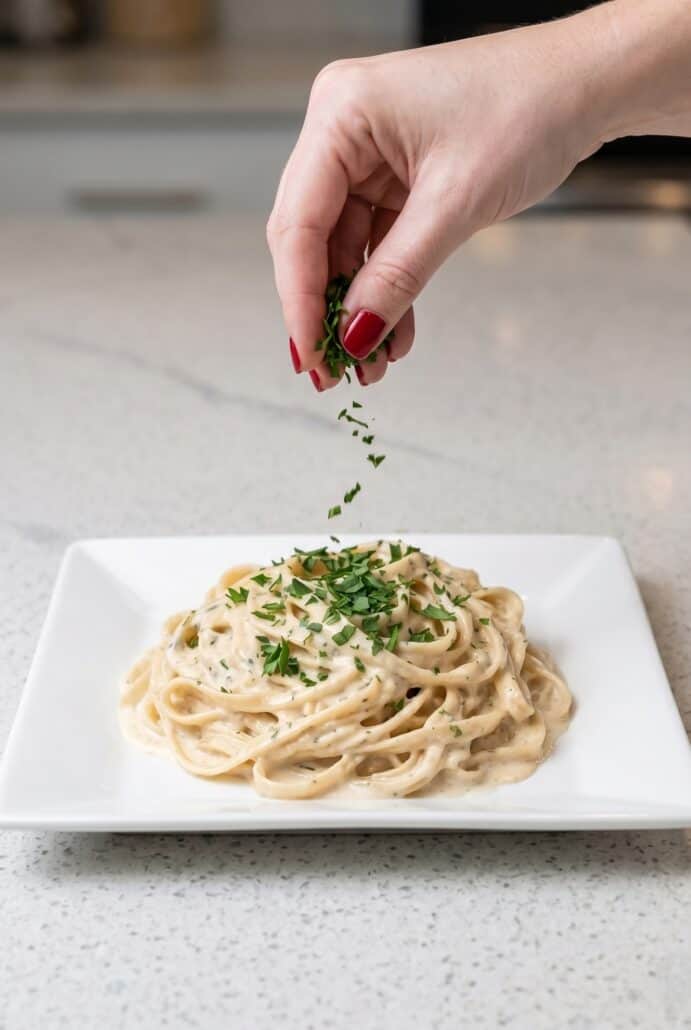
- Stir in the chopped parsley to add freshness and color to the sauce.
- Add the drained pasta directly into the sauce and toss until every strand is well coated.
- Serve right away while hot, and sprinkle extra parsley on top if desired.
Serving Suggestions
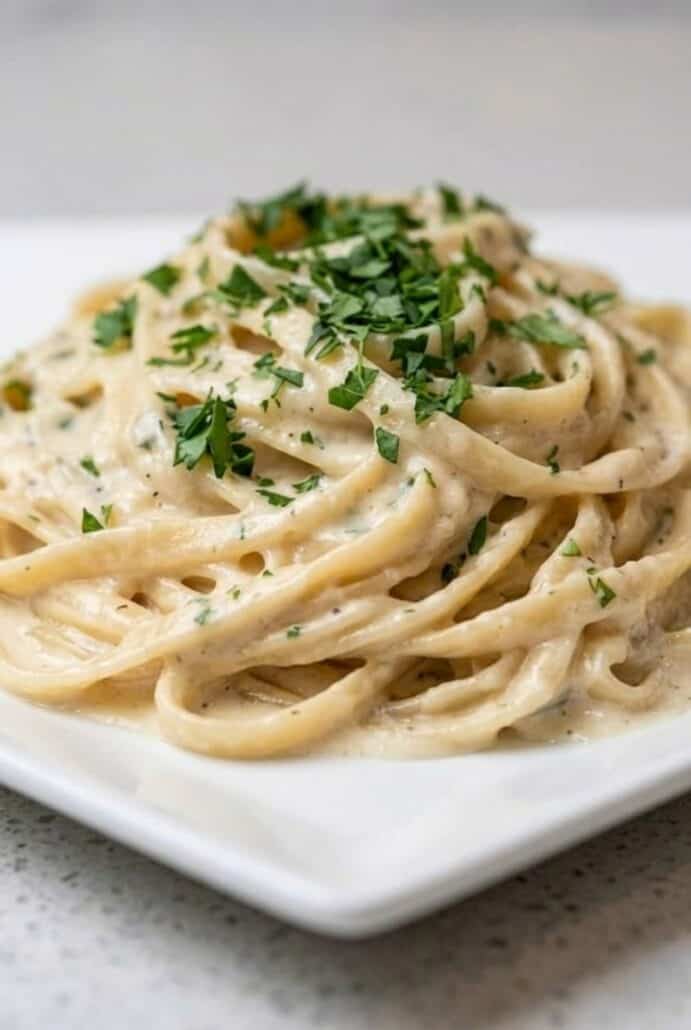
- Serve this Fettuccine Alfredo hot right after tossing for the creamiest texture and best flavor. Pair it with cheesy garlic bread to soak up every bit of the rich Alfredo sauce.
- Add a crisp, refreshing contrast by serving it with a fresh green salad. A light vinaigrette helps balance the richness of the creamy pasta.
- Make it a heartier meal by adding grilled chicken strips on top or on the side. The savory protein pairs perfectly with the buttery Alfredo sauce.
- For a seafood twist, serve it alongside or topped with baked shrimp. The combination of shrimp and creamy pasta feels elegant and restaurant-worthy.
- Round out your plate with roasted broccoli or steamed asparagus for a pop of color and added nutrition. The slight crispness of the vegetables complements the smooth sauce beautifully.
Want to save this recipe?
Tips For Success
- Making Fettuccine Alfredo is simple, but a few key tips will help you get that perfectly smooth, creamy, restaurant-quality result every time. Start by cooking your pasta just until al dente, which means it should still have a slight bite in the center. Overcooked pasta can become too soft and won’t hold the sauce as well. Be sure to salt your pasta water generously, as this is your first chance to build flavor in the dish.
- When making the sauce, keep the heat low at the beginning when melting the butter and cream together. If the heat is too high, the cream can separate or scorch, which will affect the texture and taste. Once everything is melted and combined, you can increase the heat slightly, but avoid bringing it to a rapid boil. Gentle heat is the key to a smooth Alfredo sauce.
- Stirring constantly when adding the cheese is very important. This helps the Romano and Parmesan melt evenly into the sauce without clumping. Using freshly grated cheese instead of pre-shredded will also give you a much smoother texture, since pre-packaged cheese often contains anti-caking agents that prevent it from melting properly.
- Timing matters with this recipe, so try to have your pasta and sauce ready at the same time. Alfredo sauce tends to thicken quickly as it sits, so it’s best to toss the pasta with the sauce immediately. If the sauce becomes too thick, don’t worry, you can easily fix it by adding a small amount of hot pasta water to loosen it up and bring back that silky consistency.
- Finally, don’t skip the parsley. Mixing it into the sauce adds a subtle freshness that balances out the richness of the butter, cream, and cheese. Adding a little extra on top right before serving also gives the dish a fresh, vibrant look. These small touches make a big difference in both flavor and presentation.
Variations And Substitutions
- One of the best things about Fettuccine Alfredo is how easy it is to customize based on your preferences or dietary needs. If you want to add protein, grilled chicken, sautéed shrimp, or even sliced sausage are all excellent options. These additions make the dish more filling and turn it into a complete meal. You can either mix them directly into the pasta or serve them on top for a more polished presentation.
- For a lighter version, you can reduce the amount of butter or substitute part of the heavy cream with half-and-half. While the sauce won’t be quite as rich, it will still be creamy and delicious. You can also slightly decrease the amount of cheese if you prefer a less heavy dish. Keep in mind that these changes will alter the classic indulgent flavor, but they can make the recipe better suited to everyday meals.
- If you’re looking to add more vegetables, there are plenty of great options. Steamed broccoli, sautéed mushrooms, green peas, or spinach all mix well into the creamy sauce. These vegetables not only add color and texture, but also help balance the richness of the dish. It’s an easy way to make the pasta feel a bit more nutritious without sacrificing flavor.
- For a different flavor profile, you can experiment with the cheeses. While Romano and Parmesan create a classic Alfredo taste, you could try adding a bit of mozzarella for extra creaminess. You can also adjust the ratio of cheeses to suit your taste. Just be sure to use cheeses that melt well for the best texture.
- If you need a gluten-free option, simply swap the regular fettuccine for your favorite gluten-free pasta. The sauce itself is naturally gluten-free, so this is an easy substitution. For a lower-carb option, you could even serve the Alfredo sauce over zucchini noodles or spaghetti squash. These alternatives will give you a completely different texture, but still let you enjoy that rich, creamy Alfredo flavor.
Storage and Reheating
- Store any leftover Fettuccine Alfredo in an airtight container in the refrigerator. It will stay fresh for up to 3 days while maintaining its flavor.
- When reheating, use the stovetop over low heat for best results. Add a splash of milk, cream, or water to help loosen the sauce and bring back its creamy texture.
- You can also reheat it in the microwave in short intervals, stirring in between. This helps the sauce heat evenly and prevents it from drying out.
- Keep in mind that Alfredo sauce thickens as it sits. Adding a little liquid while reheating will help restore its smooth consistency.
- Freezing is not recommended for this recipe. The cream-based sauce may separate and lose its creamy texture after thawing.
Frequently Asked Questions
Can I make Fettuccine Alfredo ahead of time?
Fettuccine Alfredo is best enjoyed fresh right after it’s made because the sauce is at its creamiest and smoothest texture. As it sits, the sauce naturally thickens and can lose some of its silky consistency. If you do need to make it ahead, you can prepare it and store it in the refrigerator, but plan to reheat it gently with added liquid. Adding a splash of cream, milk, or even a bit of pasta water will help bring the sauce back to life. For best results, slightly undercook the pasta if making ahead so it doesn’t become too soft when reheated.
Why is my Alfredo sauce too thick?
Alfredo sauce thickens quickly because of the butter, cream, and melted cheese. This is completely normal, especially as the sauce cools or sits for a while. The easiest way to fix this is by adding a small amount of hot liquid, such as reserved pasta water, milk, or cream. Stir it in gradually until you reach your desired consistency. Keeping the heat low while cooking also helps prevent the sauce from reducing too much and becoming overly thick.
How do I keep the sauce smooth and not clumpy?
The key to a smooth Alfredo sauce is gentle heat and constant stirring. When adding the cheese, make sure to stir continuously so it melts evenly into the butter and cream mixture. Using freshly grated Romano and Parmesan cheese is very important, as pre-shredded cheeses often contain additives that prevent smooth melting. Also, avoid overheating the sauce, since high heat can cause the dairy to separate. Taking your time with this step will give you a perfectly creamy result.
Can I add protein or vegetables to this recipe?
Yes, this recipe is very versatile and works well with many add-ins. Grilled chicken, sautéed shrimp, or even cooked sausage are great protein options that pair beautifully with the creamy sauce. You can also add vegetables like broccoli, mushrooms, peas, or spinach to bring more texture and balance to the dish. These can be mixed directly into the pasta or served on top. It’s an easy way to customize the recipe and make it more filling.
What type of cheese works best for Alfredo sauce?
This recipe uses a combination of Romano and Parmesan cheese, which creates a rich and slightly sharp flavor. These cheeses melt well and help thicken the sauce naturally. For the best results, always use freshly grated cheese instead of pre-packaged shredded varieties. You can also experiment with small amounts of other cheeses, but it’s best to stick with ones that melt smoothly. The quality of the cheese will have a big impact on the final flavor.
Can I use a different type of pasta?
While fettuccine is the traditional choice for Alfredo, you can definitely use other types of pasta if you prefer. Pasta shapes like linguine, spaghetti, or even penne will work well with the creamy sauce. The key is to choose a pasta that can hold onto the sauce so every bite is flavorful. Keep in mind that wider or ridged pasta shapes tend to capture more sauce. No matter what you choose, cook it just until al dente for the best texture.
Why add parsley to Alfredo sauce?
Parsley adds a fresh, slightly herbal flavor that helps balance the richness of the butter, cream, and cheese. Mixing it into the sauce gives a subtle brightness that enhances the overall taste. It also adds a nice pop of color, making the dish look more appealing. Sprinkling extra parsley on top as a garnish gives it a fresh, finished look. While optional, it’s a simple addition that elevates the dish.
Other Easy Pasta Recipes
- Cottage Cheese Stuffed Shells Pasta
- Turkish Ground Beef Pasta with Yogurt Sauce
- Hearts of Palm Pasta
- Fresh Arugula Pasta Salad
- Chicken Pesto Pasta
- Spicy Mexican Pasta with Fajita Veggies
- Bow Tie Pasta with Sausage, Mushrooms, and Zucchini
Fettuccine Alfredo
Want to save this recipe?
Ingredients
- 24 oz dry fettuccine pasta
- 1 cup butter 2 sticks
- 1 ½ cups heavy cream ¾ pint
- ¼ tsp garlic salt
- ½ tsp salt
- ¼ tsp black pepper
- ¾ cup Romano cheese grated
- ½ cup Parmesan cheese grated
- 2 tbsp fresh parsley chopped
- 1 tbsp fresh parsley optional, chopped for toppings
Instructions
- Bring a large pot of salted water to a boil.
- Add fettuccine and cook until al dente, about 8 minutes. Drain well.
- In a large saucepan, melt butter with heavy cream over low heat.
- Stir in garlic salt, salt, and black pepper.
- Increase heat to medium and add Romano and Parmesan cheese.
- Stir continuously until the cheese melts and the sauce becomes smooth and slightly thick.
- Mix in 2 tablespoons chopped parsley and stir to combine.
- Add cooked fettuccine to the sauce and toss until fully coated.
- Serve immediately, topped with additional parsley if desired.
Notes
- The sauce thickens quickly as it cools, so serve right away for the best texture.
- If the sauce becomes too thick, add a splash of hot pasta water to loosen it.