Simple Authentic Filipino Pork Hamonado Recipe
This post may contain affiliate links (disclosure).
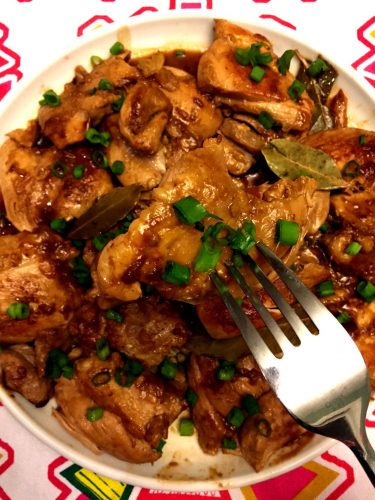
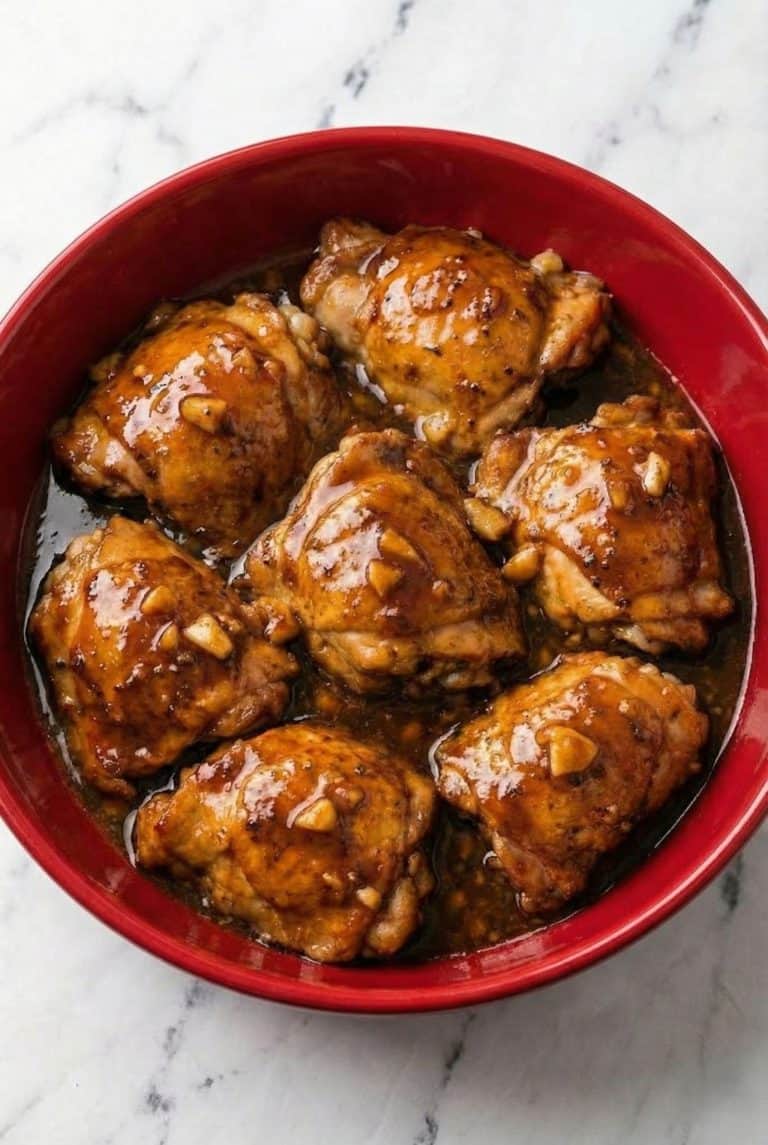
Pork Hamonado is a classic Filipino pork dish that’s loved for its rich sweet and savory flavor. Made with tender pork simmered in pineapple juice, soy sauce, and aromatics, this dish creates a deliciously sticky sauce that’s perfect over steamed rice. If you’re looking for an easy homemade comfort meal with bold flavor and simple ingredients, this Pork Hamonado recipe is a must-try.

Want to save this recipe?
Why You’ll Love Pork Hamonado
- This dish has the perfect balance of sweet and savory flavors. The pineapple juice adds natural sweetness while the soy sauce brings a rich, salty depth. Every bite is flavorful and satisfying. It’s the kind of dish that keeps you coming back for more.
- The pork turns incredibly tender as it slowly simmers. The fat melts beautifully, making each piece juicy and soft. It practically melts in your mouth with every bite. This texture makes it feel like a special occasion meal.
- It’s made with simple, easy-to-find ingredients. You don’t need anything fancy to create this dish. Most of the ingredients may already be in your kitchen. That makes it very convenient for home cooking.
- This recipe is very beginner-friendly and easy to follow. The steps are straightforward and don’t require complicated techniques. Even if you’re new to cooking, you can make this successfully. It’s a great introduction to Filipino cuisine.
- It pairs perfectly with steamed rice. The rich sauce soaks into the rice and makes every bite extra delicious. It’s a comforting and filling meal the whole family will enjoy. Great for lunch or dinner any day of the week.
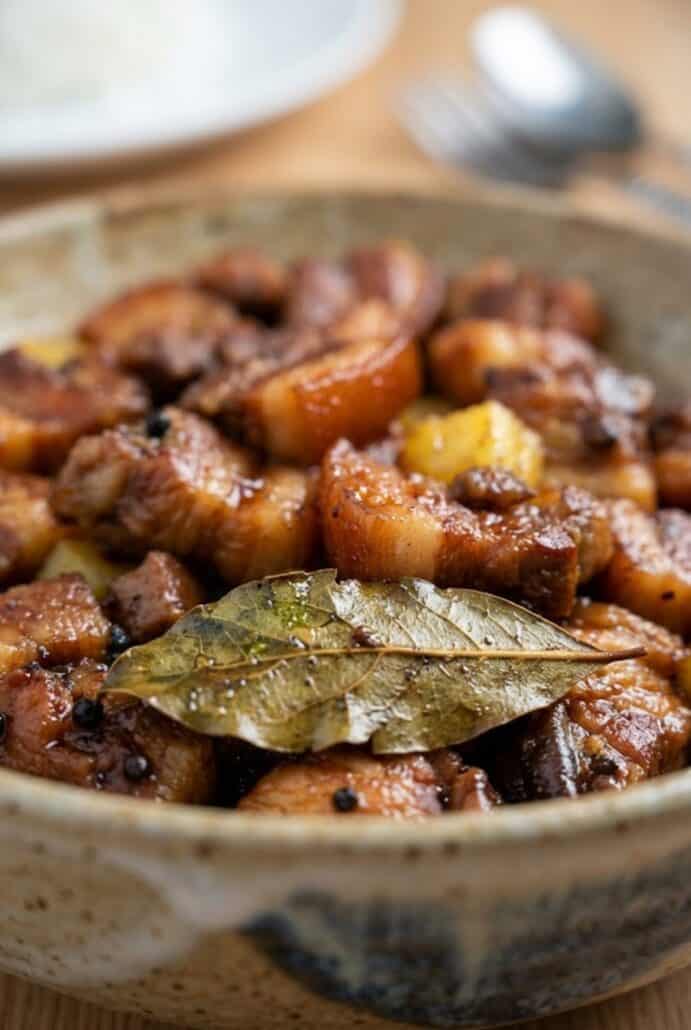
Ingredients For Pork Hamonado
- Pork belly – This is the star of the dish. It becomes tender and flavorful as it cooks, especially with a good amount of fat for richness.
- Pineapple juice – Adds natural sweetness and a slight tang. It also helps tenderize the pork while cooking.
- Pineapple chunks – These bring extra bursts of sweetness and texture to the dish. They balance the savory flavors beautifully.
- Soy sauce – Gives the dish its deep savory and umami flavor. It also adds a rich color to the sauce.
- Apple cider vinegar – Adds a tangy contrast to balance the sweetness. It helps create that classic sweet and savory profile.
- Onion – Provides a mild sweetness and depth of flavor when cooked. It blends into the sauce nicely.
- Garlic – Adds a bold and aromatic flavor. It enhances the overall taste of the dish.
- Brown sugar – Gives a deeper, slightly caramel-like sweetness. It helps thicken and enrich the sauce.
- Peppercorns – Adds a subtle hint of spice. It gives the dish a little kick without overpowering it.
- Bay leaves – Infuse the sauce with a warm, herbal aroma. They add depth to the overall flavor.
- Water – Helps create enough liquid for simmering. It allows the pork to cook low and slow until tender.
- Salt and pepper – Used to season and balance all the flavors. Adjust to your taste preference.
For the exact measurements of the ingredients, see the printable recipe card at the bottom of this article
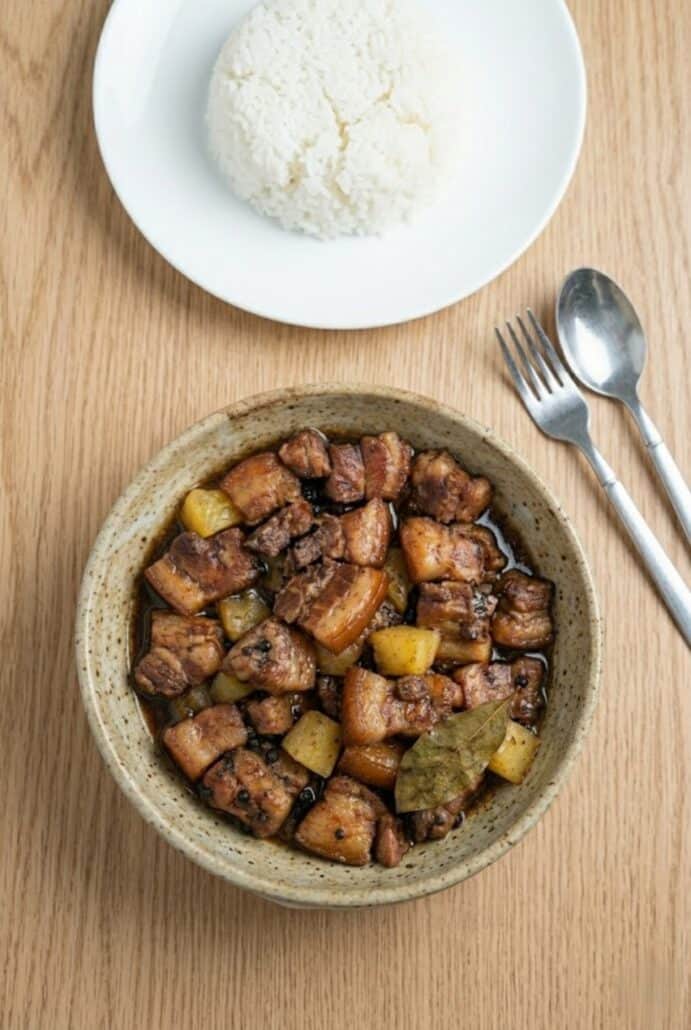
How To Make Pork Hamonado
- Heat oil in a pan and brown the pork pieces until nicely seared on all sides, then set them aside.
- In the same pan, sauté onion and garlic until soft and fragrant.
- Add the pork back in and mix everything together.
- Pour in pineapple juice and vinegar, then bring to a boil without stirring for a few minutes.
- Add soy sauce, water, peppercorns, and bay leaves, then bring everything to a boil.
- Lower the heat, cover, and let it simmer until the pork becomes very tender.
- Stir in brown sugar and season with salt and pepper, then continue cooking until the sauce thickens.
- Add pineapple chunks at the end and cook briefly until warmed through.

Serving Suggestions
- Serve Pork Hamonado over a bed of hot, fluffy white rice. The rice absorbs the sweet and savory sauce and makes every bite delicious.
- Pair it with garlic butter rice for extra flavor. The garlicky taste complements the sweetness of the dish perfectly.
- Add a side of steamed green beans or sautéed broccoli. This helps balance the richness of the pork and makes the meal more complete.
- Serve with a fresh cucumber red onion salad, or lettuce and tomato salad. The light and refreshing flavors contrast nicely with the rich sauce.
- Garnish with chopped green onions before serving. This adds a pop of color and a mild fresh flavor.

Want to save this recipe?
Tips For Success
- Take the time to properly brown the pork before simmering. This step adds a deeper, richer flavor to the dish because it caramelizes the surface of the meat. Even though it may feel like an extra step, it makes a big difference in the final taste. Make sure not to overcrowd the pan so the pork sears instead of steams.
- Cook the pork low and slow for the best texture. This allows the fat to render slowly and the meat to become incredibly tender. Rushing the cooking process can result in tough pork. A gentle simmer is key to achieving that melt-in-your-mouth consistency.
- Use pineapple juice packed in juice, not syrup. Syrup is much sweeter and can make the dish overly sugary instead of balanced. The natural acidity in juice helps cut through the richness of the pork. This balance is what makes Pork Hamonado so delicious.
- When adding the vinegar, avoid stirring right away. Let it boil uncovered for a few minutes so the strong acidic taste can mellow out. Stirring too soon can trap that sharp flavor in the dish. This simple technique helps create a smoother, more balanced sauce.
- Taste and adjust the seasoning at the end of cooking. The sauce will reduce and concentrate, so flavors become stronger over time. Adding salt or pepper too early can lead to over-seasoning. Always do a final taste check before serving.
- Don’t skip the brown sugar. It adds a subtle molasses flavor that enhances the overall richness of the sauce. White sugar won’t give you the same depth. This small ingredient plays a big role in achieving that classic hamonado flavor.
- Add the pineapple chunks toward the end of cooking. This keeps them from becoming too soft or mushy. You want them to hold their shape and provide a nice bite. It also preserves their fresh, sweet flavor.
- Let the dish rest for a few minutes before serving. This helps the sauce thicken slightly and cling better to the pork. It also allows the flavors to settle and develop even more. A short rest can really improve the final result.
Variations And Substitutions
- You can use different cuts of pork depending on your preference. Pork shoulder or pork butt are great options if you want something a bit leaner than pork belly. These cuts still become tender when simmered but won’t be as rich. It’s a good choice if you prefer less fat in your dish.
- Swap pineapple chunks with fresh pineapple if you have it on hand. Fresh pineapple adds a brighter, more natural sweetness and a slightly firmer texture. Just make sure to still use pineapple juice for the sauce base. This keeps the signature flavor of hamonado intact.
- If you want a less sweet version, reduce the brown sugar. You can also add a little extra vinegar to increase the tanginess. This creates a more balanced sweet and sour flavor profile. Adjusting these ingredients lets you customize the taste to your liking.
- For a gluten-free version, use gluten-free soy sauce or tamari. The flavor will remain very similar while making the dish suitable for gluten-sensitive diets. Always check labels to be sure. This is an easy swap that doesn’t affect the cooking process.
- You can add vegetables to make it a more complete meal. Carrots or bell peppers work really well with the sweet and savory sauce. Add them during the simmering stage so they become tender. This also adds color and nutrition to the dish.
- If you don’t have apple cider vinegar, you can substitute with white vinegar. The flavor will be slightly sharper but still works well in the recipe. You can reduce the amount slightly if you prefer a milder taste. This keeps the dish flexible with pantry ingredients.
- Try adding raisins for a traditional twist. They add little bursts of sweetness that pair nicely with the pineapple. This variation is popular in some Filipino versions of hamonado. It gives the dish more texture and complexity.
- For a deeper flavor, you can simmer the dish a bit longer to further reduce the sauce. This creates a thicker, richer glaze that coats the pork beautifully. Just keep an eye on it so it doesn’t dry out. A splash of water can help if needed.
Storage and Reheating
- Store leftover Pork Hamonado in an airtight container in the refrigerator. It will stay fresh for up to 3 days while keeping its flavor and texture.
- For longer storage, place it in a freezer-safe container and freeze for up to 2 months. Thaw it overnight in the refrigerator before reheating for best results.
- To reheat on the stovetop, place the pork and sauce in a pan over medium heat. Add a splash of water if needed and heat until warmed through.
- You can also reheat in the microwave in short intervals. Stir in between to ensure even heating and prevent the sauce from drying out.
Frequently Asked Questions
Can I use a different cut of pork for Pork Hamonado?
Yes, you can definitely use other cuts of pork for this recipe. Pork belly is popular because it becomes very tender and rich, but cuts like pork shoulder or pork butt also work very well. These cuts have enough fat to stay juicy during the long simmering process. If you prefer something leaner, you can even use pork loin, but keep in mind it may not be as tender and flavorful. No matter which cut you choose, the key is to cook it low and slow so the meat has time to soften and absorb the sauce.
Why do I need to boil the vinegar without stirring?
Boiling the vinegar without stirring helps mellow out its strong, sharp flavor. When vinegar is first added, it can taste very acidic and overpowering. Letting it boil uncovered allows that harshness to cook off. If you stir it too soon, the acidity can spread throughout the dish and remain too strong. This simple technique makes a big difference in achieving a smooth, balanced sauce.
Can I make Pork Hamonado ahead of time?
Yes, Pork Hamonado is actually a great make-ahead dish. The flavors continue to develop as it sits, making it even more delicious the next day. Simply store it in the refrigerator once it has cooled completely. When you’re ready to serve, reheat it gently on the stovetop or in the microwave. This makes it perfect for meal prep or entertaining.
How do I know when the pork is tender enough?
The pork is ready when it is fork-tender and easy to cut. You should be able to pierce it easily without resistance. The fat should also be soft and almost melt in your mouth. If the pork still feels tough, it just needs more time to simmer. Be patient and let it continue cooking until it reaches the right texture.
Can I adjust the sweetness of the dish?
Yes, the sweetness is easy to adjust based on your preference. If you like it less sweet, you can reduce the amount of brown sugar. You can also add a bit more vinegar to increase the tanginess. Taste the sauce toward the end of cooking and adjust as needed. This flexibility allows you to customize the flavor exactly how you like it.
Do I have to use canned pineapple?
No, you can use fresh pineapple if you prefer. Fresh pineapple gives a brighter and slightly less sweet flavor compared to canned. However, you will still need pineapple juice for the sauce, so you may need to prepare or buy that separately. Canned pineapple in juice is simply more convenient and consistent. Both options work well depending on what you have available.
How do I keep the sauce from becoming too thick or too thin?
To control the sauce consistency, keep an eye on it during the simmering process. If it becomes too thick, you can add a little water to loosen it up. If it’s too thin, let it simmer uncovered a bit longer so it can reduce. Stir occasionally once the vinegar step is done to prevent sticking. The goal is a slightly thick, glossy sauce that coats the pork nicely.
Other Easy Pork Recipes
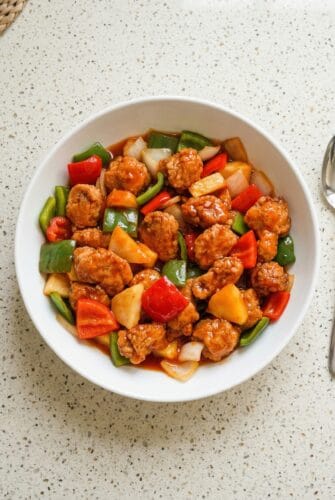
- Sweet and Sour Pork
- Garlic Mushroom Pork Chops
- Pulled Pork Recipe
- Crispy Pork Bites
- Pork Belly Braised Recipe
- Pan Fried Pork Chops
- BBQ Pork Ribspork

Pork Hamonado
Want to save this recipe?
Ingredients
- 2 tbsp canola oil
- 2 pounds pork belly cut into chunks
- 1 onion chopped
- 4 cloves garlic minced
- 1 cup pineapple juice
- 1/4 cup apple cider vinegar
- 1/2 cup soy sauce
- 1 cup water
- 1 tsp peppercorns
- 2 bay leaves
- 2 tbsp brown sugar
- 1/2 tsp salt or to taste
- 1/4 tsp black pepper or to taste
- 1 cup pineapple chunks
Instructions
- Heat oil in a large pan over medium-high heat. Add pork in a single layer and brown on all sides, working in batches if needed. Remove and set aside.
- In the same pan, cook onion and garlic until soft and fragrant.
- Return pork to the pan and mix with the aromatics.
- Pour in pineapple juice and vinegar. Bring to a boil without stirring and cook for a few minutes.
- Add soy sauce, water, peppercorns, and bay leaves. Stir and bring to a boil.
- Reduce heat, cover, and simmer until the pork is very tender and the liquid is reduced.
- Stir in brown sugar and season with salt and pepper. Continue simmering until the sauce thickens.
- Add pineapple chunks and cook briefly until heated through.
Notes
- Use pineapple packed in juice, not syrup, to keep the flavor balanced.
- Let the vinegar boil without stirring at first to mellow its sharp taste.