Bread Machine Cottage Cheese Bread | Easy Soft & Fluffy Loaf Recipe
This post may contain affiliate links (disclosure).
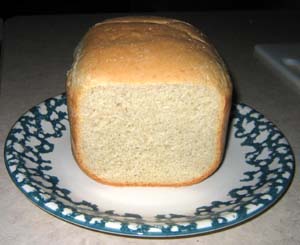
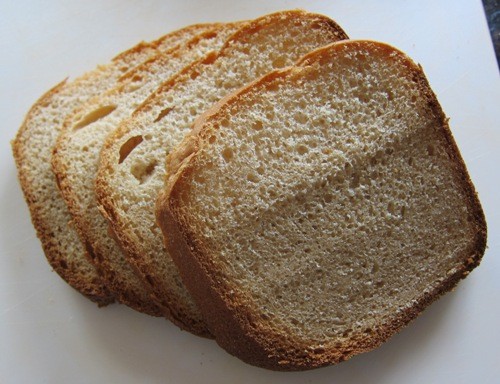
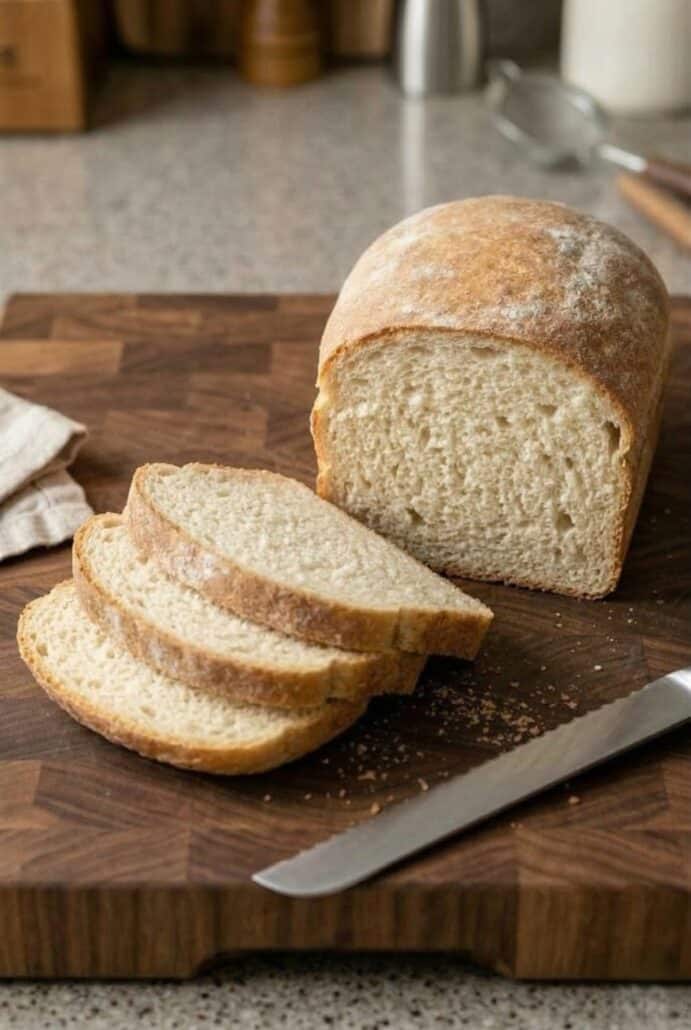
If you’re looking for an easy yet delicious homemade bread recipe, this Bread Machine Cottage Cheese Bread is a must-try! Made with creamy cottage cheese, this bread has a tender texture with a subtle tangy flavor that makes it perfect for everything from sandwiches to simple toasted slices with butter. With the convenience of a bread machine, this recipe is ideal for busy mornings or when you want to enjoy fresh, homemade bread without the hassle. Whether you’re a seasoned baker or a newbie, this bread will quickly become a household favorite!
Want to save this recipe?
Why You’ll Love Bread Machine Cottage Cheese Bread
-
Incredibly Easy to Make – With the help of a bread machine, this recipe takes the guesswork out of baking. Simply add your ingredients, press start, and let the machine do the work for you. It’s perfect for busy days when you want fresh, homemade bread with minimal effort.
-
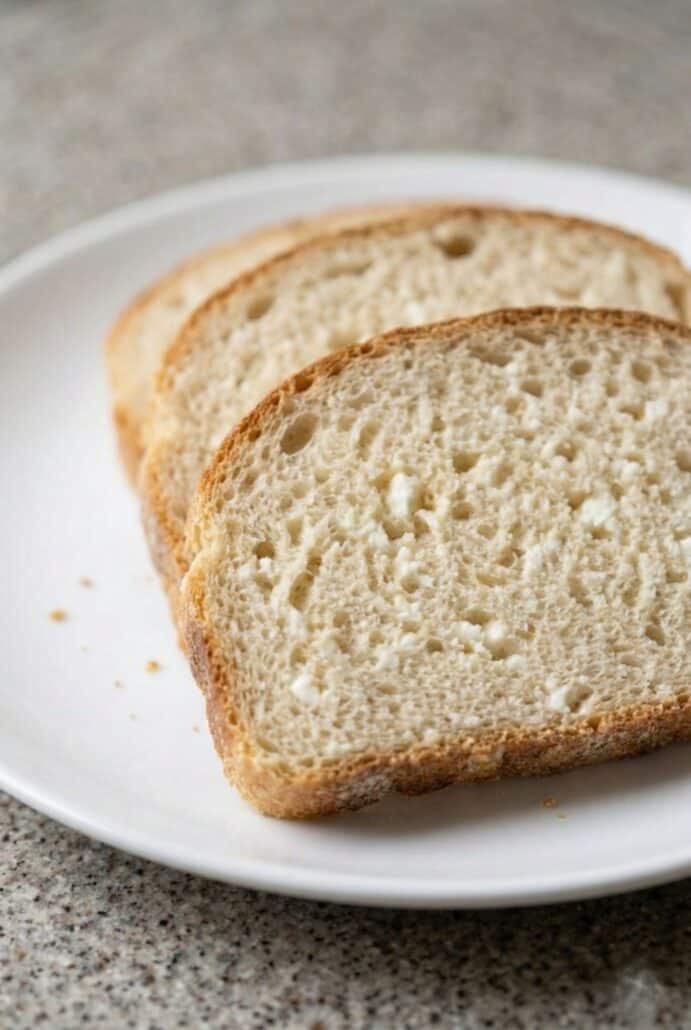
Soft and Fluffy Texture – The addition of cottage cheese creates a soft, tender loaf that’s light yet hearty. This bread has just the right amount of fluffiness, making it a great option for sandwiches or serving alongside soups and stews.
-
Mild Tangy Flavor – The cottage cheese adds a mild tang to the bread, which enhances its flavor without overpowering it. It’s the perfect balance of savory and slightly creamy, making each slice irresistible.
-
Versatile for Different Dishes – Whether you prefer it toasted with butter, sliced for sandwiches, or served with your favorite spread, this bread is incredibly versatile. It pairs beautifully with everything from breakfast dishes to dinner plates.
-
Perfect for the Whole Family – This bread is a hit with kids and adults alike! Its mild flavor and soft texture make it easy to enjoy for all ages, and it’s a great way to introduce more dairy into your meals.
Ingredients For Bread Machine Cottage Cheese Bread
-
Water – A key liquid ingredient that helps activate the yeast and form the dough.
-
Cottage Cheese – Adds a mild tangy flavor and soft texture to the bread, making it extra tender.
-
Margarine – Adds moisture and richness to the loaf, helping to keep it soft.
-
Egg – Provides structure to the bread and helps with the leavening process.
-
White Sugar – Acts as food for the yeast, ensuring the bread rises perfectly.
-
Baking Soda – Helps balance the acidity of the cottage cheese, contributing to the bread’s light texture.
-
Salt – Enhances the bread’s flavor and controls the fermentation process.
-
Bread Flour – Provides the perfect balance of gluten to make the bread fluffy and chewy.
-
Active Dry Yeast – The leavening agent that makes the bread rise and gives it that perfect texture.
For the exact measurements of the ingredients, see the printable recipe card at the bottom of this article.

Kitchen Tools You Need To Make Bread Machine Cottage Cheese Bread
-
Bread Machine – The star of the recipe! It kneads the dough, allows it to rise, and bakes the bread to perfection with minimal effort on your part.
-
Measuring Cups – Essential for accurately measuring the water, cottage cheese, and bread flour.
-
Measuring Spoons – For precise measurements of sugar, salt, and baking soda.
-
Egg Beater or Fork – To beat the egg before adding it to the bread machine.
-
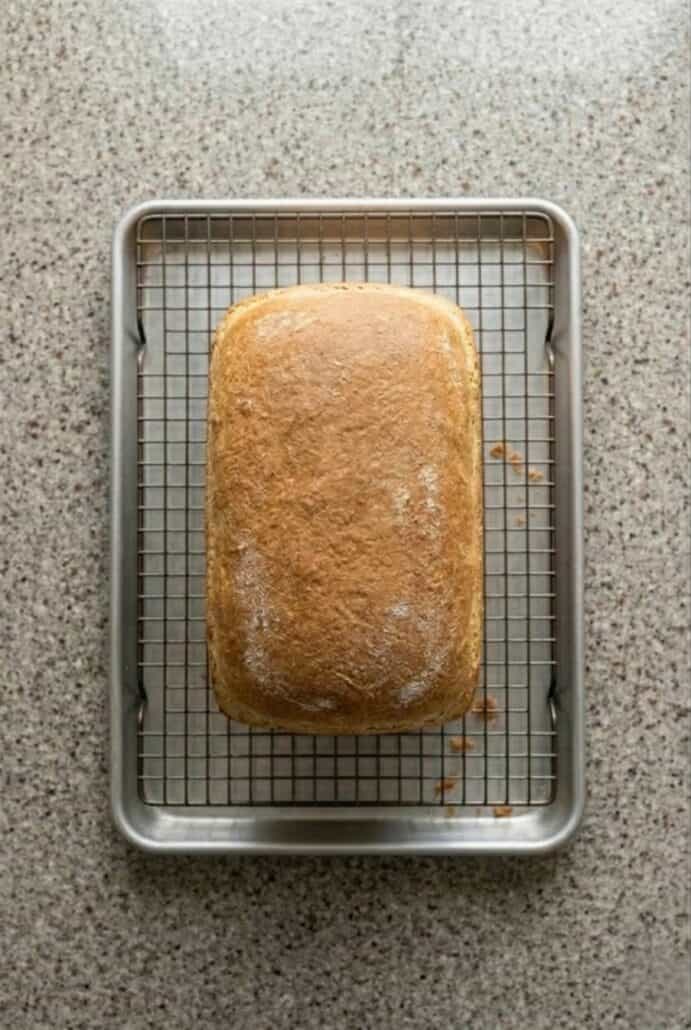
Wire Rack – For cooling the bread after baking, allowing air to circulate and prevent the loaf from becoming soggy.
How To Make Bread Machine Cottage Cheese Bread
- Add the ingredients to the bread machine in the order suggested by the manufacturer. Start with the wet ingredients: water, cottage cheese, margarine, and egg, followed by the dry ingredients: sugar, baking soda, salt, flour, and yeast.
- Select the “Basic” or “White Bread” setting on your bread machine and press start. The dough will mix, rise, and bake to perfection.
- If the dough seems too sticky, add up to ½ cup of additional bread flour until the dough reaches the desired consistency.
- Once the bread is baked, remove it from the machine and let it cool on a wire rack before slicing. Enjoy fresh or toasted!

Serving Suggestions
-
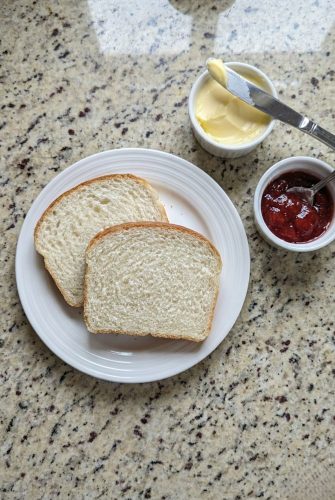
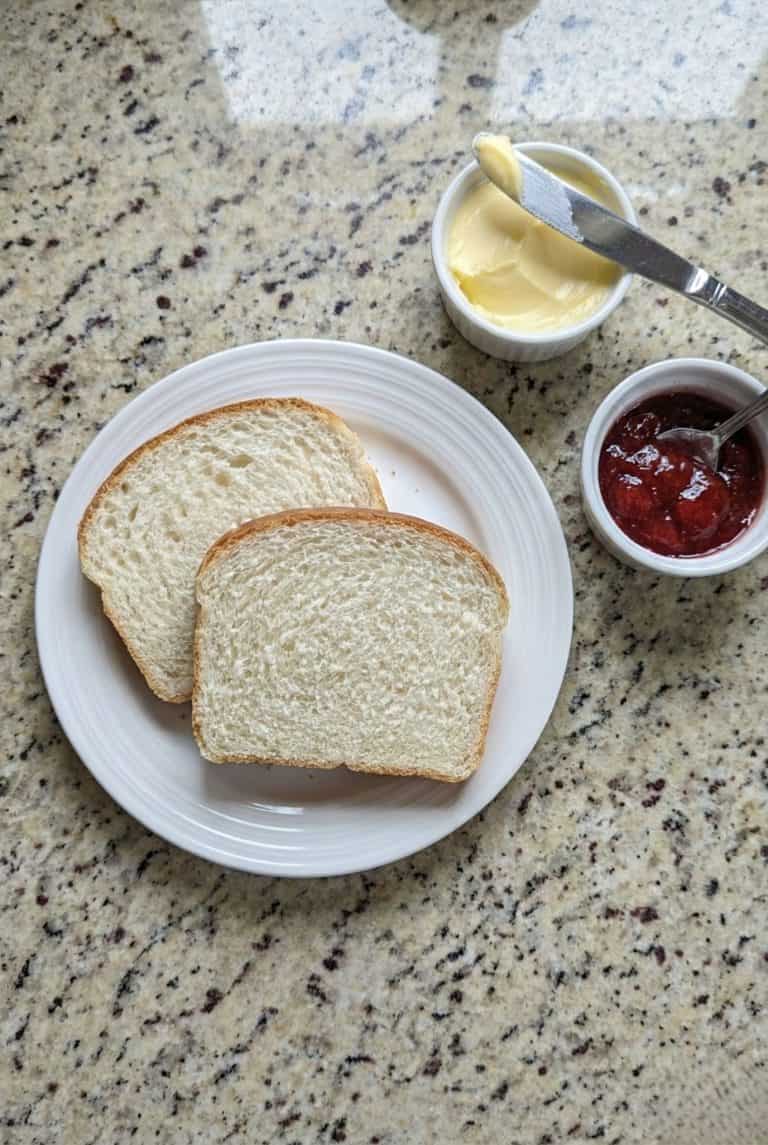
For a simple, delicious treat, serve slices of this bread with a pat of butter and your homemade kiwi jam or fresh fig jam.
-
This bread is perfect for making hearty sandwiches. Try it with baked ham, cheese, or even a spicy eggplant spread for a satisfying lunch.
-
It makes a great accompaniment to broccoli cheese soup or chicken pot pie stew, especially in colder weather when you want something warm and comforting on the side.
Want to save this recipe?
-
Toast a slice and top with fresh avocado, poached eggs, or your chocolate hazelnut spread for a quick breakfast or snack.
Tips For Success
-
Measure Ingredients Carefully – Accurate measurements are essential for achieving the perfect texture. Use measuring cups and spoons to ensure you’re adding the right amount of each ingredient.
-
Use the Right Type of Yeast – Always use active dry yeast for this recipe. If you’re using instant yeast, you may need to adjust the amount slightly, as it rises faster than active dry yeast.
-
Check the Dough Consistency – If the dough seems too sticky or wet during the mixing cycle, add additional flour, one tablespoon at a time, until the dough forms a smooth, soft ball. On the other hand, if the dough is too dry, you can add a little more water.
-
Let the Bread Cool Completely – It’s tempting to cut into your fresh loaf right away, but letting it cool on a wire rack ensures it retains its perfect texture and flavor. Slicing it too early can make it gummy.
-
Customize the Flavor – Add in herbs, garlic powder, or grated cheese to elevate the flavor of the bread. You can also experiment with different types of flour, like whole wheat, to add variety.
-
Storage – If you’re not finishing the bread immediately, store it in an airtight container at room temperature for up to 3 days. Alternatively, you can freeze it for longer storage, just slice and wrap the bread before freezing.
Variations and Substitutions
-
Different Types of Cottage Cheese – While this recipe calls for regular cottage cheese, you can substitute it with nonfat or low-fat versions for a lighter bread. If you prefer a creamier texture, try using full-fat cottage cheese. You can even experiment with flavored cottage cheese, like chive or garlic, for a savory twist.
-
Flour Variations – For a heartier loaf, consider using whole wheat flour in place of part or all of the bread flour. Keep in mind that whole wheat flour may require a little more liquid, so adjust accordingly. You can also use gluten-free flour for a gluten-free version of this bread, but be sure to use a blend that’s specifically designed for bread baking.
-
Dairy-Free – If you prefer a dairy-free option, you can replace the cottage cheese with a non-dairy alternative like vegan cream cheese or silken tofu. Additionally, substitute margarine with a plant-based butter alternative.
-
Sweet Bread Option – To turn this into a sweeter bread, try adding a bit more sugar (up to 2 tablespoons) and consider including a teaspoon of cinnamon or nutmeg for a warm, spiced flavor. You could also add raisins, dried cranberries, or chopped nuts for a fruity or crunchy variation.
-
Herb and Cheese Bread – If you’re looking to make this bread more savory, try adding dried herbs such as rosemary, thyme, or oregano to the dough. Grated cheddar or parmesan cheese also makes a wonderful addition to the dough for extra flavor.
-
Add-ins – Consider adding a handful of chopped sun-dried tomatoes, olives, or nuts to the dough before baking for a Mediterranean-inspired twist. These ingredients will add both flavor and texture to your loaf.
Storage and Reheating
-
Storing the Bread – To keep your bread fresh, store it in an airtight container or resealable plastic bag at room temperature. It will stay fresh for up to 3 days. If you won’t be finishing it in that time, consider freezing it for longer storage.
-
Freezing – For long-term storage, slice the bread and wrap each slice in plastic wrap before placing them in a freezer-safe bag. This way, you can easily pull out individual slices when you need them. The bread will keep well in the freezer for up to 3 months. When ready to eat, thaw it at room temperature or toast it directly from the freezer.
-
Reheating – To reheat, simply toast the bread for a warm, crispy texture, or warm it in the microwave for 15-20 seconds per slice. If you’re reheating an entire loaf, wrap it in foil and heat in the oven at 350°F (175°C) for 10-15 minutes, or until warm throughout.
-
Avoiding Sogginess – Be sure to allow the bread to cool completely on a wire rack before storing it. This will help it maintain its texture and prevent it from becoming soggy.
Frequently Asked Questions
Can I use low-fat or nonfat cottage cheese in this recipe?
Yes, you can use low-fat or nonfat cottage cheese in this recipe. While the texture may be slightly different compared to full-fat cottage cheese, the bread will still be delicious and soft. If you prefer a lighter option, nonfat cottage cheese works perfectly fine.
Can I make this recipe without a bread machine?
Yes, you can make this bread without a bread machine! If you don’t have a bread machine, you can prepare the dough by hand or use a stand mixer with a dough hook. After mixing, allow the dough to rise in a warm spot for about 1 hour before shaping it into a loaf. Then, bake it in a preheated oven at 350°F (175°C) for 30-35 minutes or until golden brown.
Can I use a different type of flour?
Absolutely! While bread flour gives the best texture for this loaf, you can substitute it with all-purpose flour if that’s what you have. For a heartier loaf, you can try whole wheat flour or even a gluten-free flour blend. Just be aware that the texture might change slightly, and you may need to adjust the liquid.
How long does this bread last?
This bread stays fresh for about 3 days if stored in an airtight container at room temperature. If you want to keep it longer, freeze it! Slice it and wrap each piece in plastic wrap before placing it in a freezer-safe bag. It will keep for up to 3 months in the freezer.
Can I add other ingredients like herbs or cheese?
Yes, you can definitely add your own mix-ins to customize the bread! Try adding dried herbs, cheese, or even sun-dried tomatoes for added flavor. Add these ingredients to the dough just before it finishes mixing in the bread machine.
Other Easy Cottage Cheese Recipes
Creamy Cottage Cheese Chicken Enchiladas – These creamy chicken enchiladas are made with a rich cottage cheese filling, perfect for a comforting and flavorful meal.
Cottage Cheese and Pineapple Delight – A refreshing and sweet combination of creamy cottage cheese paired with juicy pineapple for a simple and delicious snack.
Fluffy Cottage Cheese Pancakes – These light and airy pancakes incorporate cottage cheese, creating a soft and protein-packed breakfast treat.
Scrambled Eggs with Cottage Cheese for Breakfast – Fluffy scrambled eggs are enhanced with creamy cottage cheese for a rich and satisfying start to your day.
Cottage Cheese with Fresh Blueberries – A healthy and refreshing combination of creamy cottage cheese and sweet, antioxidant-rich blueberries.
Stuffed Portobello Mushrooms with Cottage Cheese – Large Portobello mushrooms are stuffed with a savory cottage cheese filling, offering a delicious vegetarian dish.
Cottage Cheese Ranch – A creamy and tangy ranch dip made with cottage cheese, perfect for pairing with vegetables or chips.

Bread Machine Cottage Cheese Bread
Want to save this recipe?
Ingredients
- ½ cup water
- 1 cup cottage cheese can use nonfat for a lighter version
- 2 tbsp margarine
- 1 tbsp white sugar
- ¼ tsp baking soda
- 1 tsp salt
- 3 cups bread flour
- 2 ½ tsp active dry yeast
Recommended Kitchen Tools (click the links below to see the items used to make this recipe)
- Egg beater or fork
- Wire rack
Instructions
- Add the ingredients to the bread machine in the order suggested by the manufacturer. Start with the wet ingredients (water, cottage cheese, margarine, and egg), followed by the dry ingredients: sugar, baking soda, salt, flour, and yeast.
- Select the "Basic" or "White Bread" setting on your bread machine and press start. The dough will mix, rise, and bake to perfection.
- If the dough seems too sticky, add up to ½ cup of additional bread flour until the dough reaches the desired consistency.
- Once the bread is baked, remove it from the machine and let it cool on a wire rack before slicing. Enjoy fresh or toasted!
Notes
- For a slightly denser loaf, use whole milk cottage cheese. For a fluffier result, try nonfat cottage cheese or a dairy-free alternative.
- Store the bread in an airtight container at room temperature for up to 3 days, or freeze it for up to 3 months.